
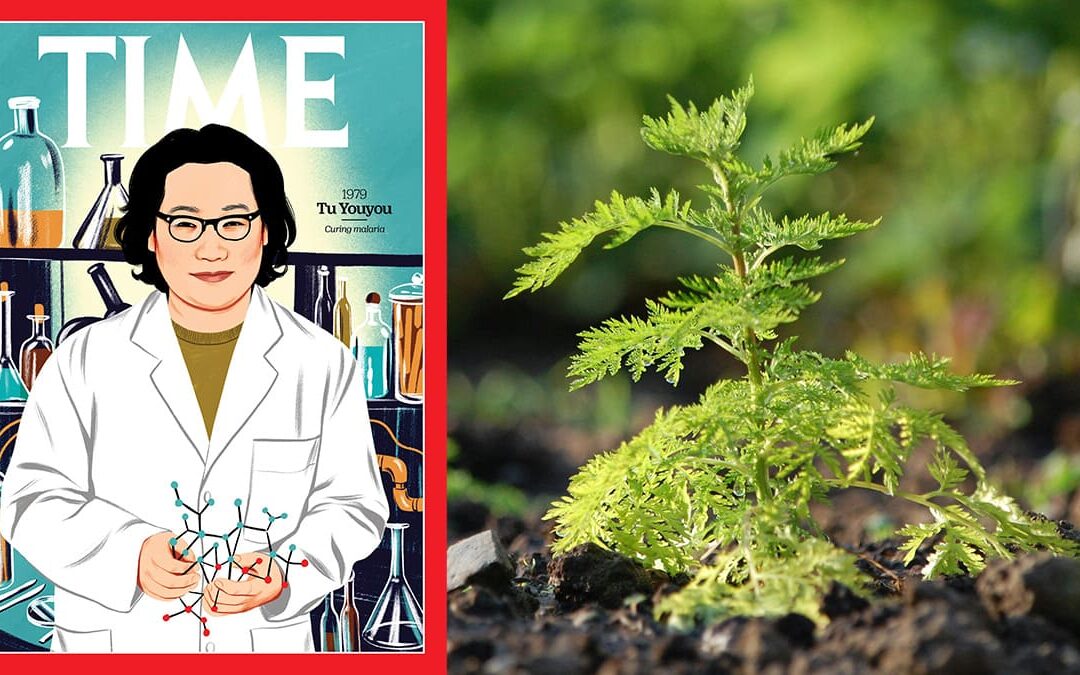
Qinghao: The Plant That Balanced Fire — and Saved Millions
In Traditional Chinese Medicine, Qinghao — Artemisia annua — was used to “clear heat” from the body.
A bitter, cooling herb linked to Wood and the rising energy of spring.
Doctors didn’t speak of malaria. They spoke of excess Fire, of a body burning from within. And so, they prescribed what would bring balance: a leaf that calms the flames.
Centuries later, a woman named Tu Youyou returned to those ancient texts. China was battling a malaria epidemic. Western drugs were failing. She opened the scrolls.
She found Qinghao. Not just as symbol — but as medicine.
From its leaves, she extracted artemisinin, a compound that cured malaria faster than any treatment known.
Her discovery saved millions.
In 2015, she became the first Chinese scientist to win the Nobel Prize in Medicine.
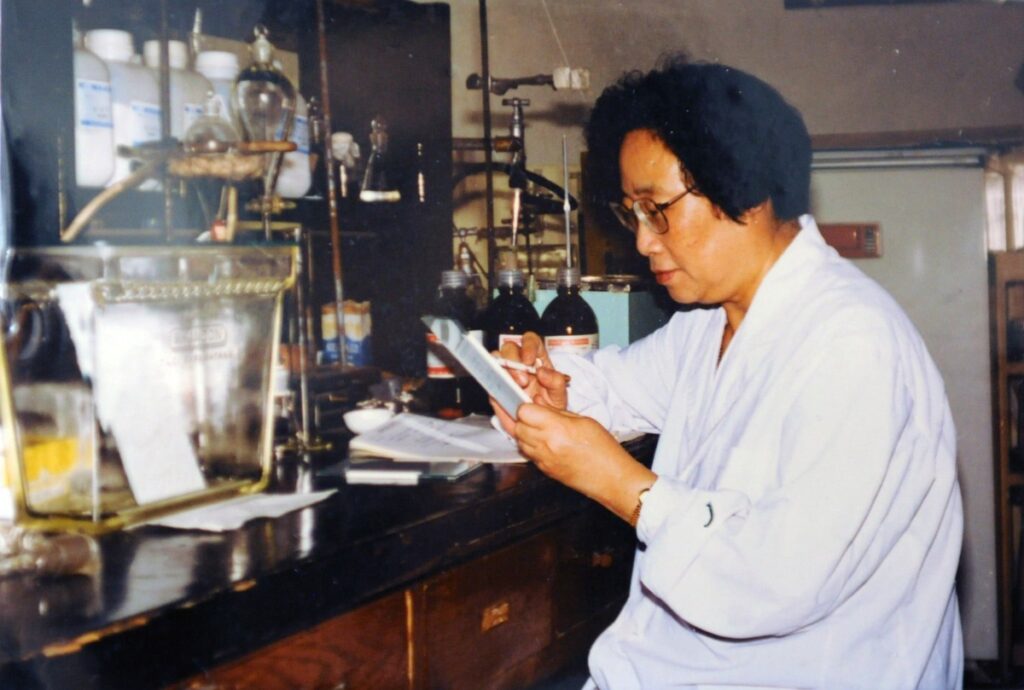
She had no Western medical degree.
Just the courage to trust tradition — and the science to prove it.
Wu Xing never aimed to describe molecules. But it guided healing hands.
And today, that same herb — once used to balance Fire in the Five Elements — still saves lives across the world, as the core of modern antimalarial treatment.
And beyond malaria, its compounds are now being studied for potential use in cancer, inflammation, and viral infections.
What began as a cooling leaf in a traditional formula has become one of the most powerful bridges between ancient wisdom and modern science.
