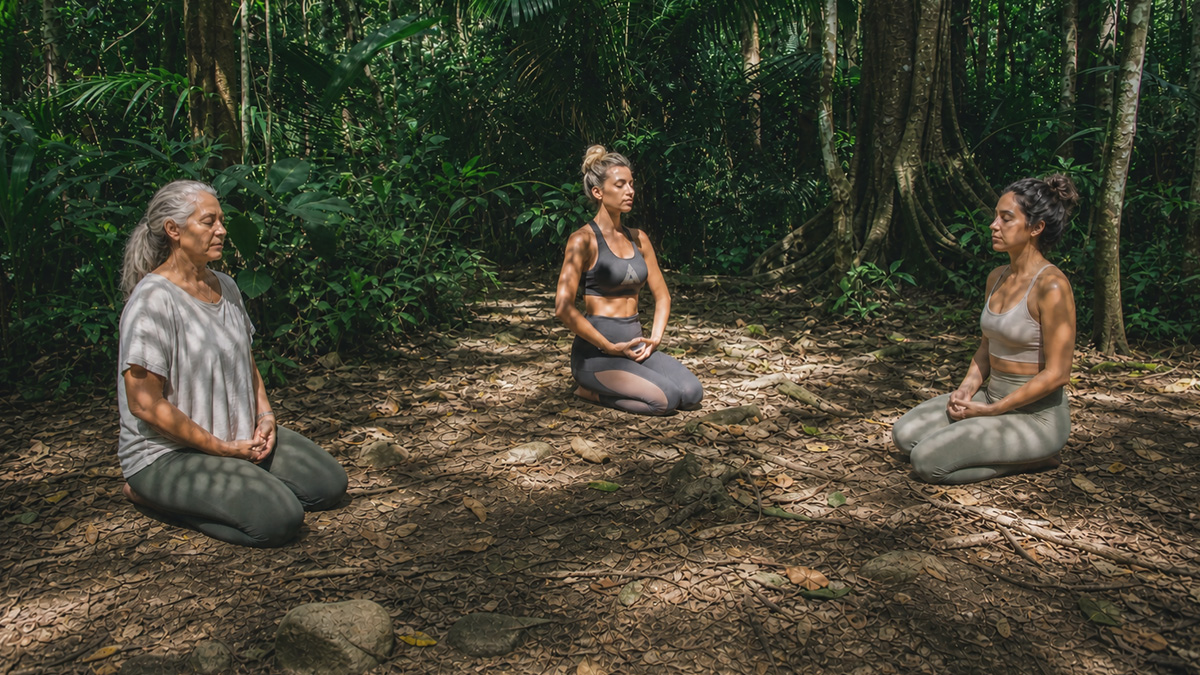
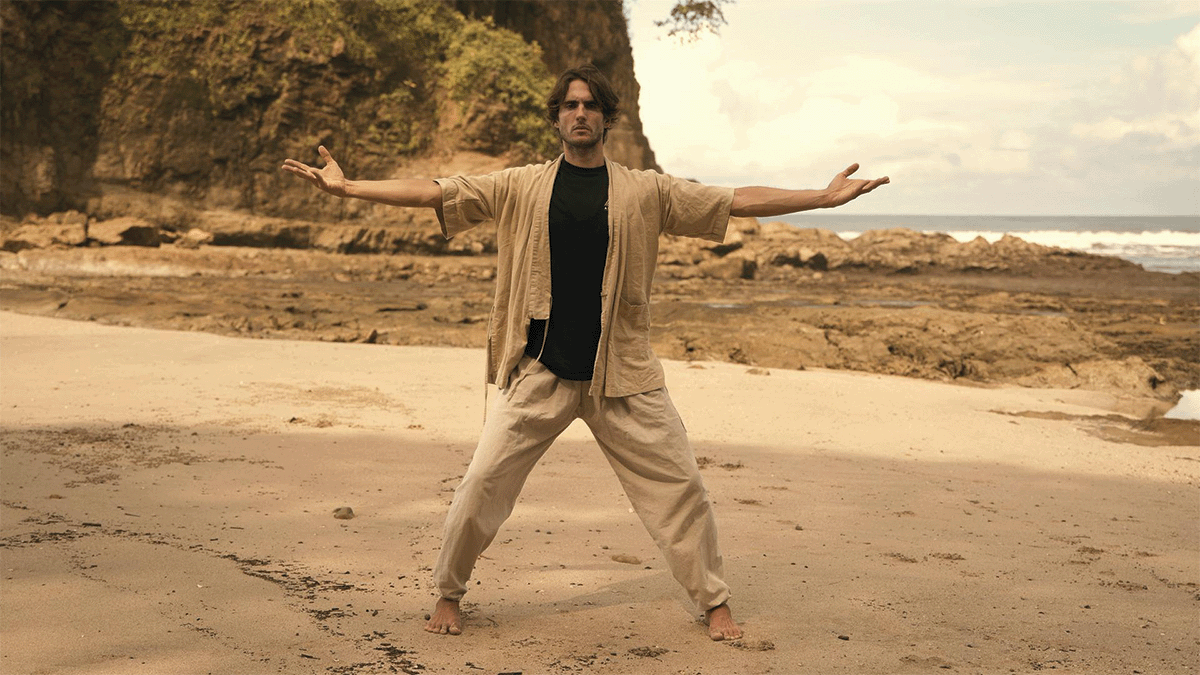
Zen and Taoism share silence and a deep suspicion of words. Scholars and practitioners have noted the overlap for centuries. The confusion has followed just as long.
Aknanda Wellness Blog: Qigong, Zen, Meditation and Taichi for Modern Life
Aknanda Blog is a space for those who want to explore Qigong and Taichi beyond technique. Guided by Bharu, it offers updates on the benefits of these practices together with teachings on TCM, internal martial arts, and Taoist and Buddhist philosophy. This mental wellness blog also explores energetic cultivation, mindful movement and zen inspired ways of living, inviting readers to enjoy a more balanced, embodied and present life.
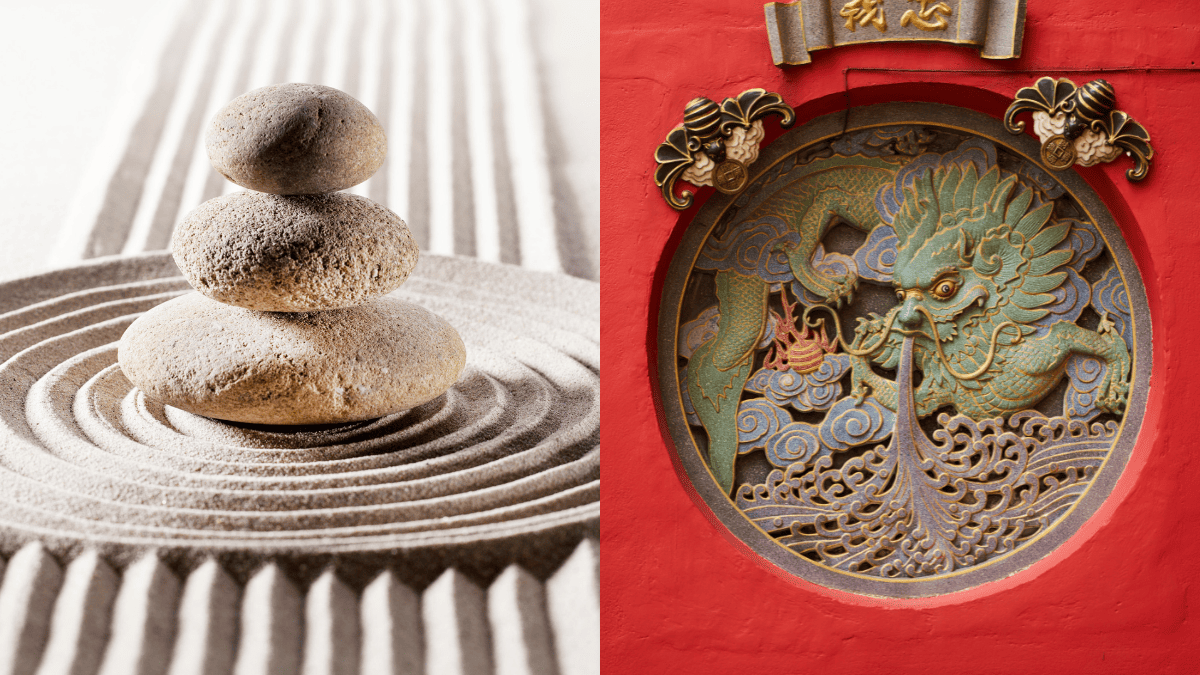
Why a Quiet Room Can Change the Air Around It

A room full of people in silence is not empty. Something in the air shifts and the shift is not metaphorical. Teachers who lead group meditation describe it the same way, again and again: the faces change first.
Ziran and Pu: The Daoist Principles of Naturalness and Original Simplicity
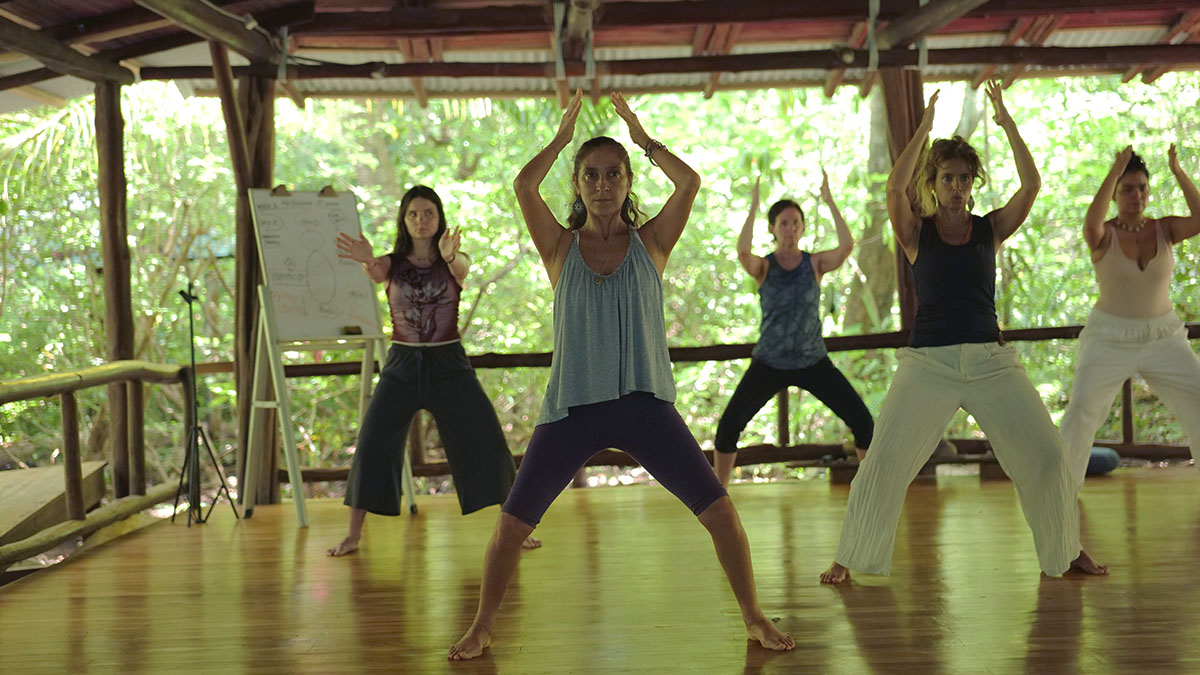
Ziran is one of the most quoted and least understood concepts in Daoism. It is not passivity, and it is not laissez-faire. Pu, the uncarved block, is not a fantasy of returning to childhood. This guide explains both terms, why they belong together in the Dao De Jing, and how they meet the breath, the posture, and the mind in Qigong practice.
The 14 Jewels of Qigong: The Buddhist Legacy of Shaolin Adapted for the Modern Practitioner
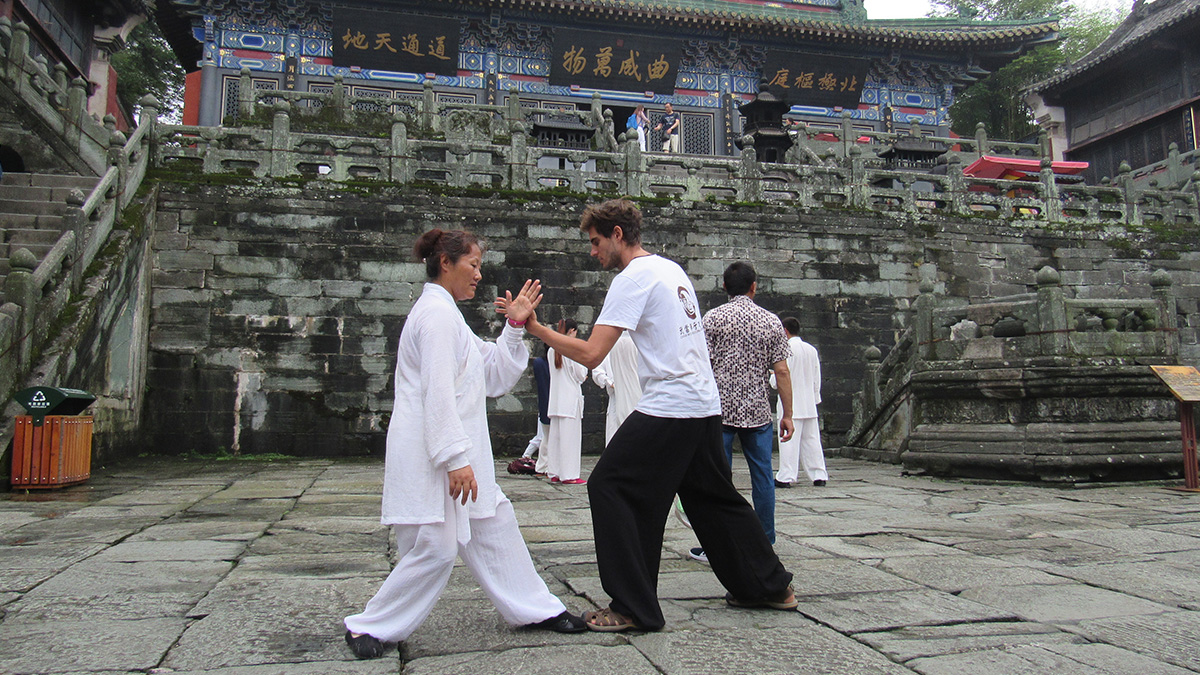
The Shaolin Temple is and will always be a great university where health, spiritual development, and the cultivation of traditional martial arts have been expressed for centuries. To speak of Shaolin Qigong is to enter a vast and inexhaustible territory. Despite the existence of a specific cloister of knowledge, instruments, and exercises, each school, each master, and ultimately every advanced practitioner has made a singular use of them—adapting and wearing the suit of the form to recreate a different expression.
Zen and Taoism Both Point at Silence From Opposite Directions
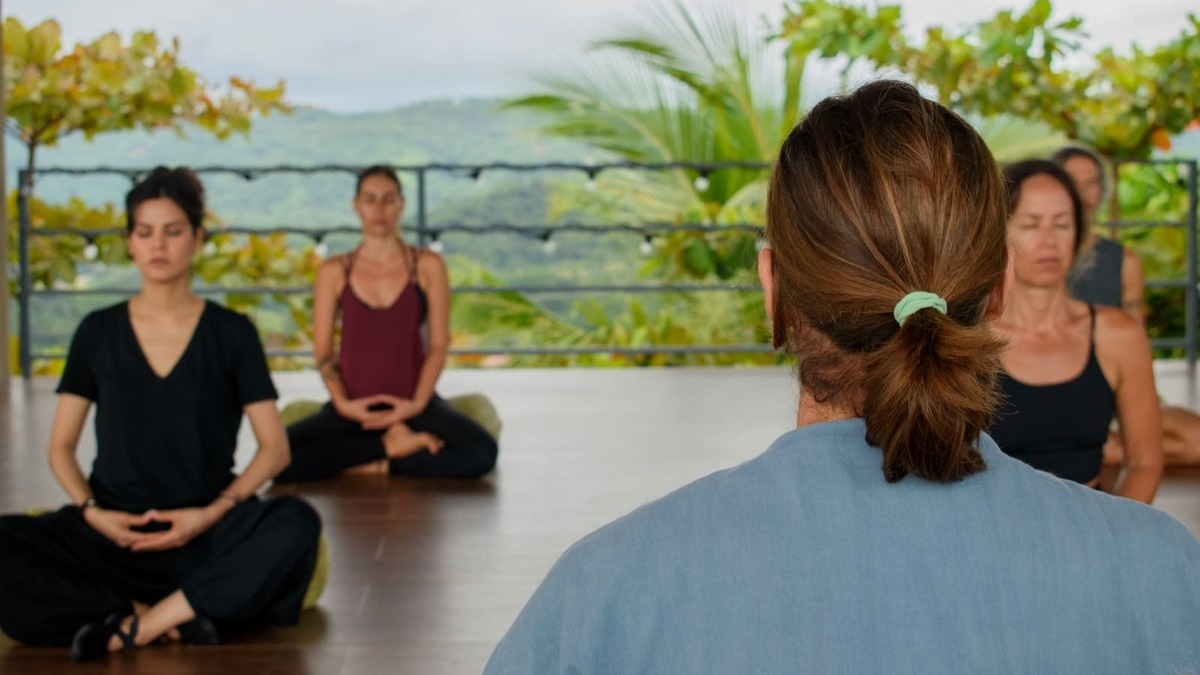
Zen and Taoism converge on the same terrain: stillness and the dissolution of the grasping self. Practitioners of both traditions sit, breathe, and learn to stop forcing. From the outside, the practices look nearly identical.
The philosophies behind them begin in different places entirely.
What Is Meditation? A State, Not a Technique
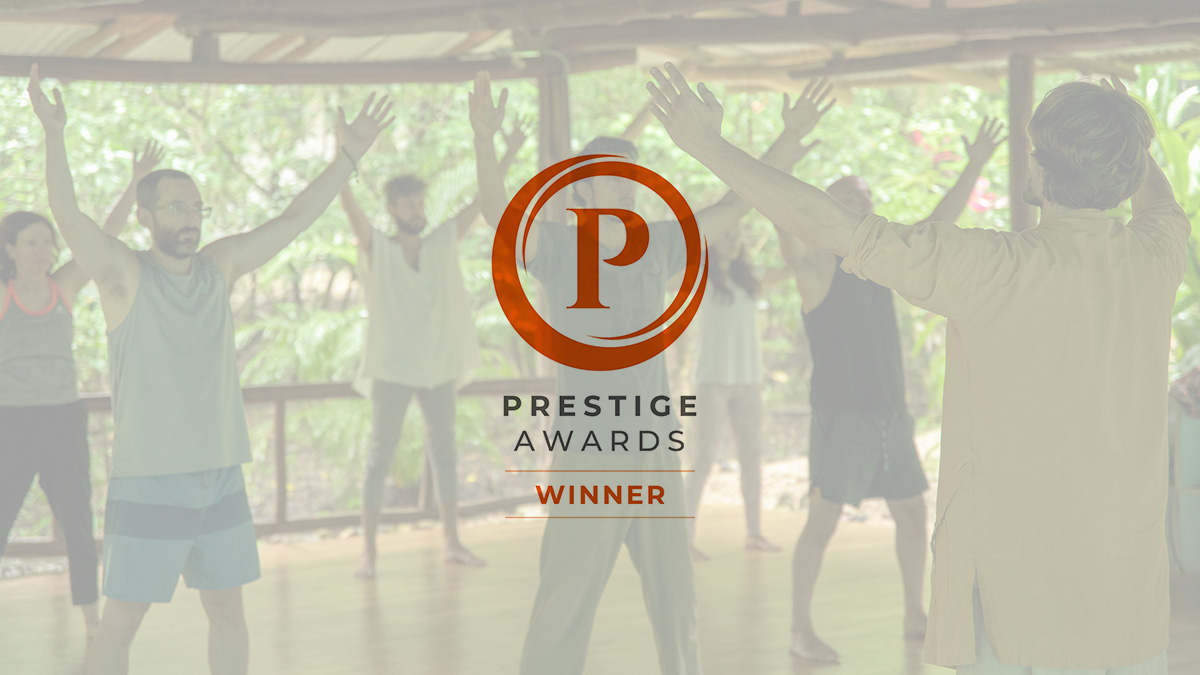
Most people treat meditation as something to perform — a technique, a posture, a set of instructions to get right. Meditation is a state of body and mind: an indefinable momentum that arises from cultivating silence and stillness, an encounter with the flow of nature itself. This guide explains what meditation actually is, what we train instead, and how this current connects to Qigong.
Aknanda Named Best Wellness Center in Central America & the Caribbean in 2026
Most wellness awards go to spas. This one didn’t.
Bodhidharma and Zen: Why the Origin Story Is Mostly a Western Invention
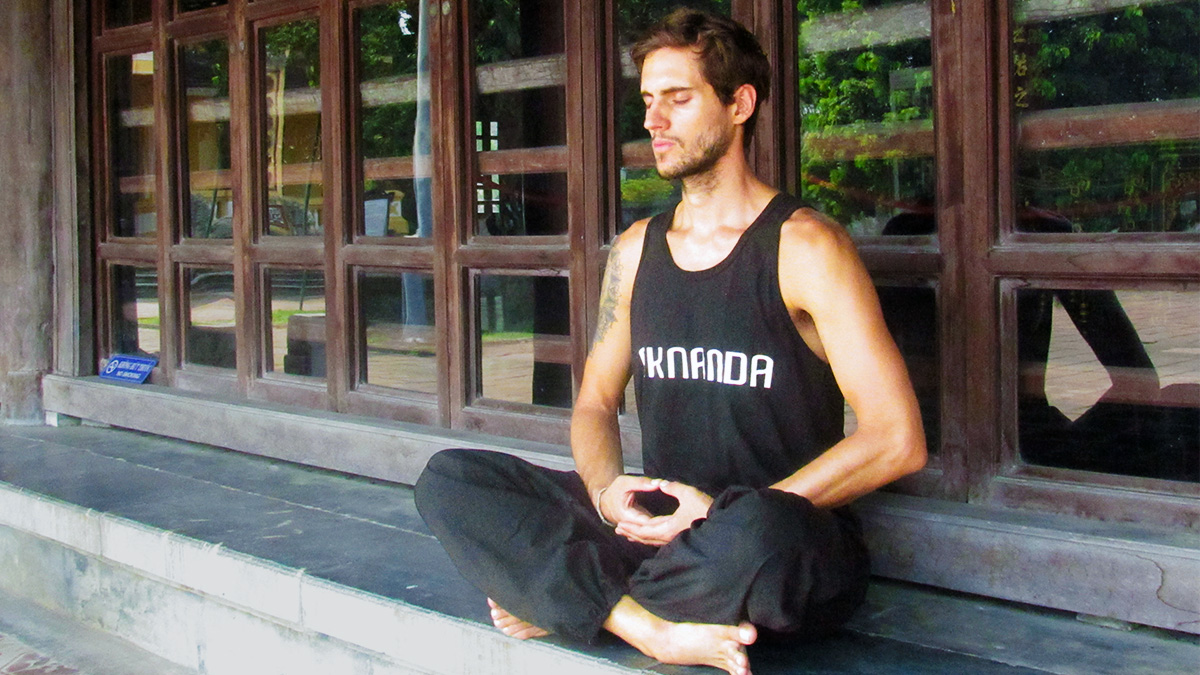
Zen Buddhism did not arrive fully formed from a single source. It grew over centuries, in multiple places, through teachers who never agreed on a single lineage. Western scholars wrote the origin story most people know — long after Zen already existed.
The Root and the Branch: Zen Buddhism for Taoism and Qigong Practitioners

Zen Buddhism grew from the same philosophical soil as Taoism — and then grew in a different direction. For practitioners already familiar with the Dao, Wu Wei, and the cultivation of Qi, Zen offers a recognizable landscape with unfamiliar terrain. This guide explains what Zen is, where it came from, how it connects to Taoist practice, and what it asks of the practitioner who approaches it for the first time.
Yi Jin Jing: The Shaolin Art of Transforming Tendons, Muscles, and Internal Strength

The Yi Jin Jing (易筋經), the Muscle and Tendon Changing Classic, is one of the sacred foundational texts of the Chinese internal arts — and one of the most misunderstood. It is not a stretching routine, not a set of strengthening exercises, and not a fitness system. It is a principle: the systematic process by which Qi initiates a structural transformation of the muscles, tendons, and fascial network from within. This article covers its origins at the Shaolin Temple, the core principle behind its practice, the 12 postures, and how the Aknanda Method applies it from the very first movement.
Costa Rica Blue Zone: Why Nicoya Is One of the Healthiest Places on Earth
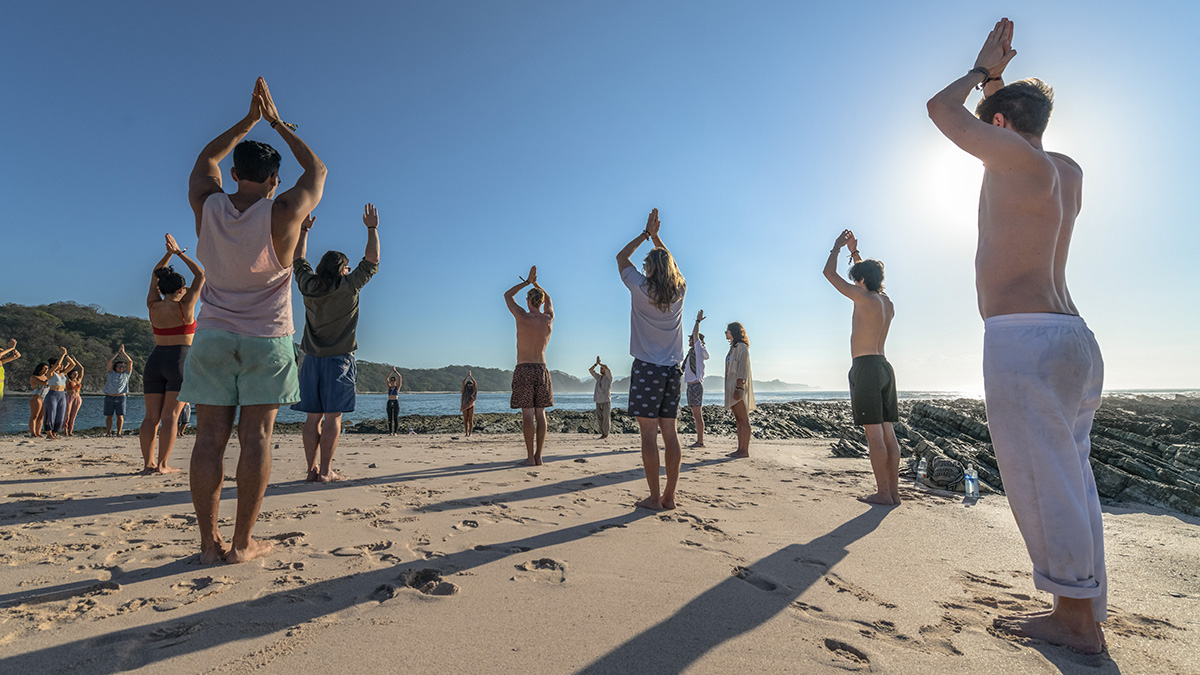
On the Pacific coast of Costa Rica lies one of the rare places in the world where people consistently live longer, healthier lives. The Nicoya Peninsula — home to Nosara — is officially recognized as a Blue Zone. But this longevity is not a mystery formula or a secret diet. It is a way of living. A rhythm. A relationship with land, purpose, and community.
International Taijiquan Day and World Tai Chi and Qigong Day

If you searched for when International Qigong Day or Taijiquan Day is celebrated and got different answers, that’s not a mistake: there are now two official, distinct celebrations. This article explains what they are, why they emerged separately, and what they mean for practitioners around the world.
The Eight Pieces of Brocade (Ba Duan Jin) Qigong for Vitality and Longevity
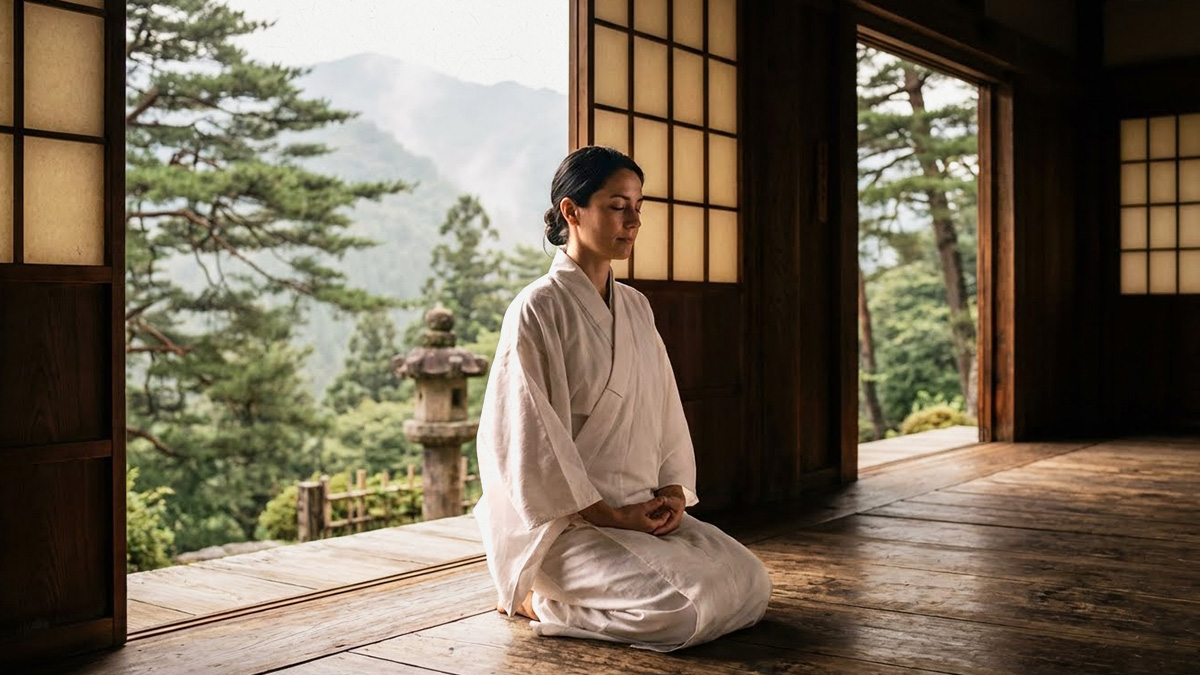
Practiced for centuries to harmonize body, breath, and spirit, Ba Duan Jin—also known as the Eight Brocades of Silk—is one of the most enduring and accessible forms of Qigong. In this article, we explore its origins, internal principles, health benefits, and why it remains essential in both traditional and modern practice.
Neidan (Internal Alchemy): the Taoist Art of Transforming Essence into Spirit
Neidan, or Taoist internal alchemy, teaches how to cultivate and transform your inner energy through the refinement of Jing, Qi, and Shen. A practice of grounding, clarity, and deep inner change.
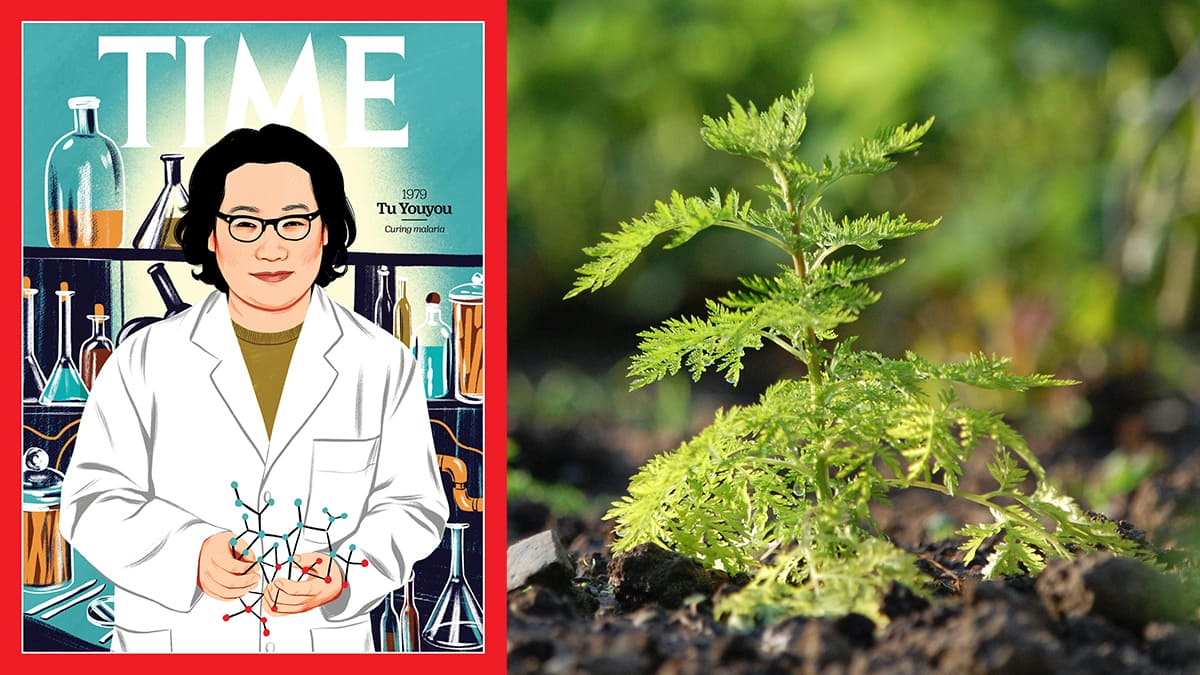
The Herb That Won a Nobel: Artemisia annua and the Five Elements
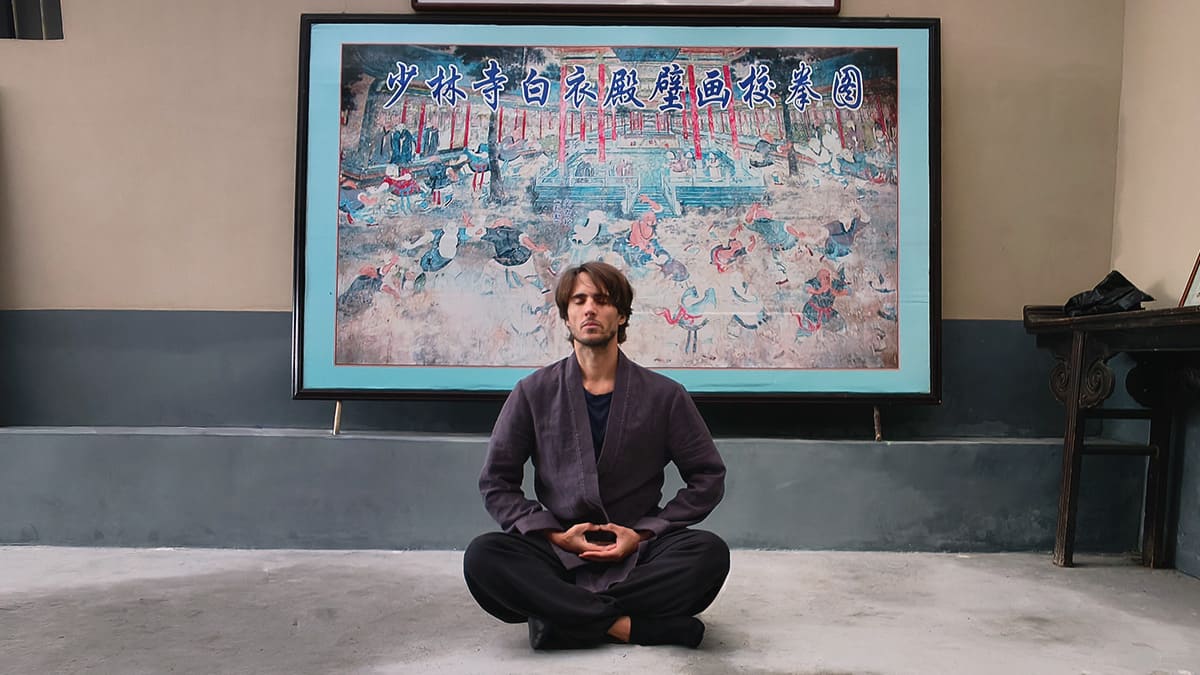
Used in Traditional Chinese Medicine to clear excess Fire, Artemisia annua became the key to curing malaria. The herb inspired a Nobel Prize — and remains a vital part of global medicine today.
Neigong (Internal Work): the Taoist Art of Inner Cultivation in Qigong
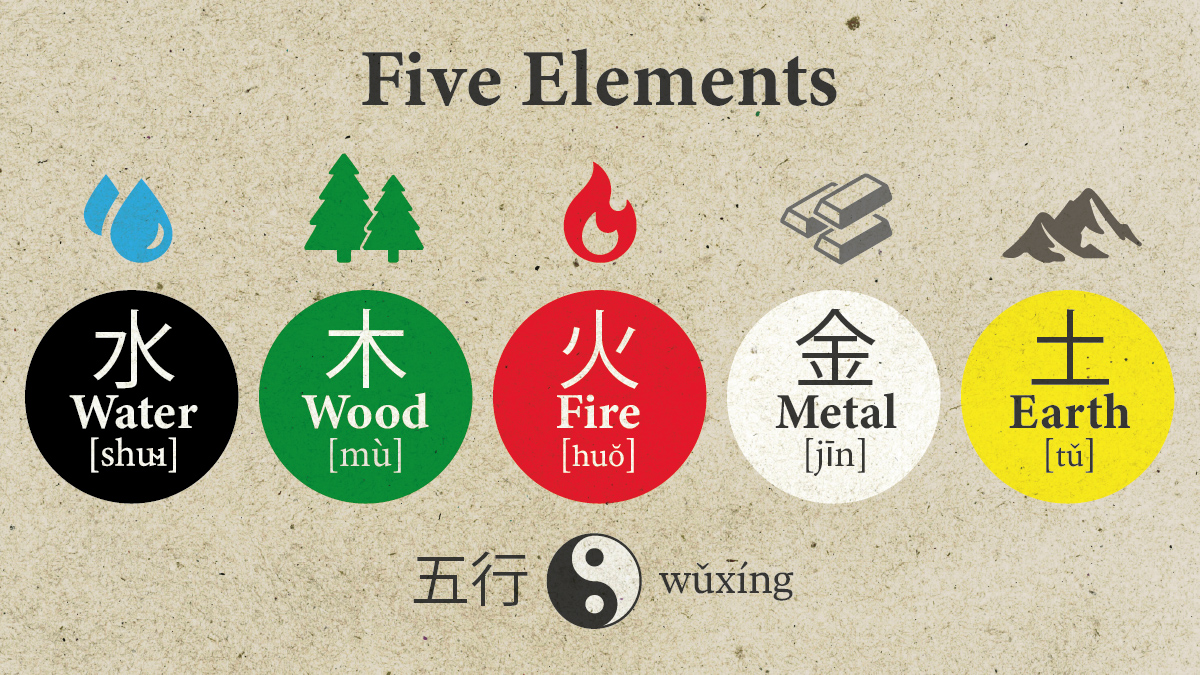
Neigong is not a technique, but a quiet path into the center of being. Within the body as a temple, we cultivate the invisible: essence, energy, and consciousness.
The Five Elements in Chinese Medicine: Wu Xing, Organs, Emotions and Vital Energy

“When people ask What are the 5 elements of nature?”, most think of Earth, Water, Air, Fire — and maybe Ether. But in Chinese philosophy, the answer is different — and deeper. Discover Wu Xing: the Five Phases that shape emotions, organs, and the energy that flows through your body and breath.
The Beaches of Nosara, Costa Rica A Wellness-Focused Guide to Surf, Silence, and Soulful Practice
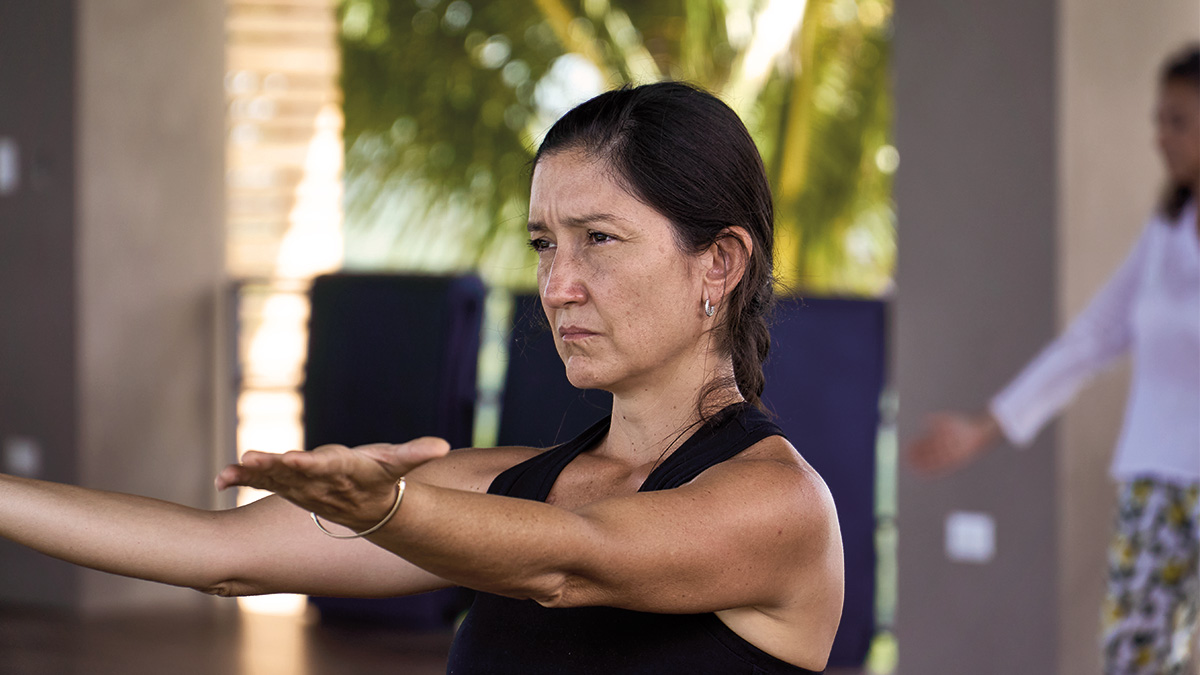
Plan your trip to Nosara, Costa Rica with a guide designed for travelers seeking beaches, surf, wellness, great food, and nature. From where to go and what to do to how to prepare, this Nosara Travel Guide gives you everything you need for a smooth, meaningful, unforgettable visit.
Mindfulness or Tai Chi: Which Works Better for Improving Mood During Cancer?

A new clinical trial shows that both mindfulness and tai chi can help improve mood and emotional health in people with cancer — including those with breast cancer. These gentle, evidence-based practices may support mental well-being as part of a complementary therapy plan.
Qi, Prana, and Ki: What Is Vital Energy in the East and How Does Qigong Cultivate It?
In this article, we explore the concept of vital energy as understood in Chinese, Indian, and Japanese traditions—known respectively as Qi, Prana, and Ki. We’ll discover how practices like Qigong help us cultivate this life force to restore balance, health, and connection with our true nature.
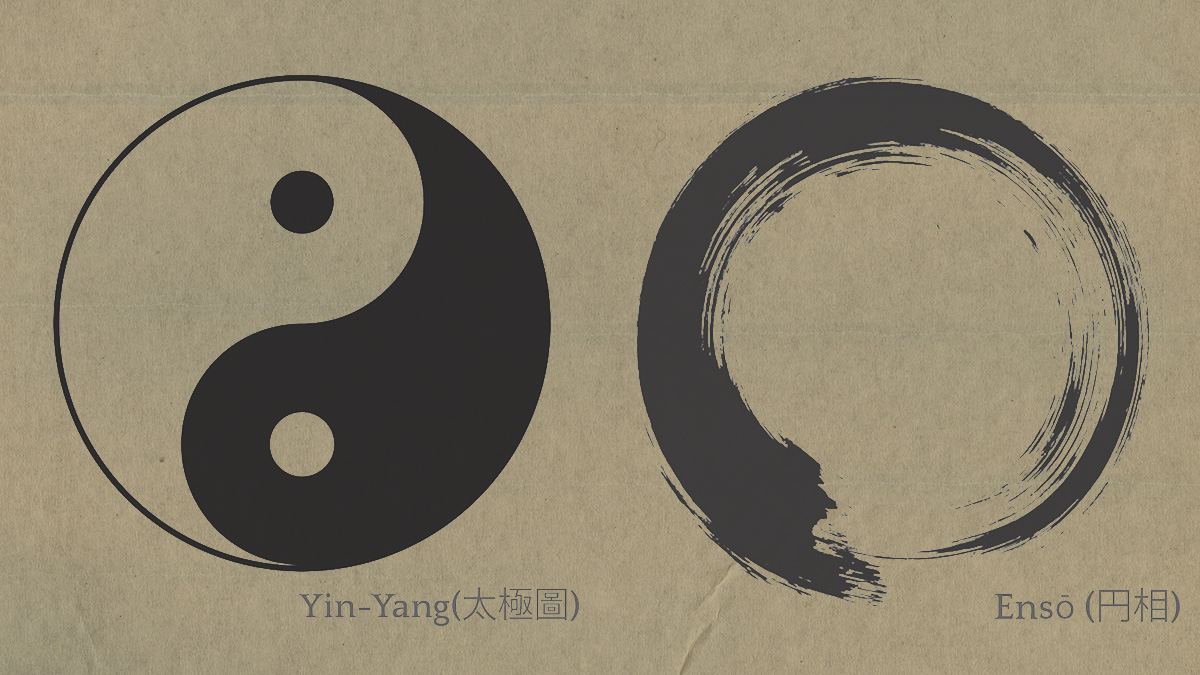
Yin-Yang and Ensō: Symbols of Taoism and Zen
Circles are among humanity’s oldest symbols. They suggest wholeness, unity, and the infinite. In Eastern philosophy, two circles stand out: the Yin-Yang of Taoism and the Ensō of Zen Buddhism.
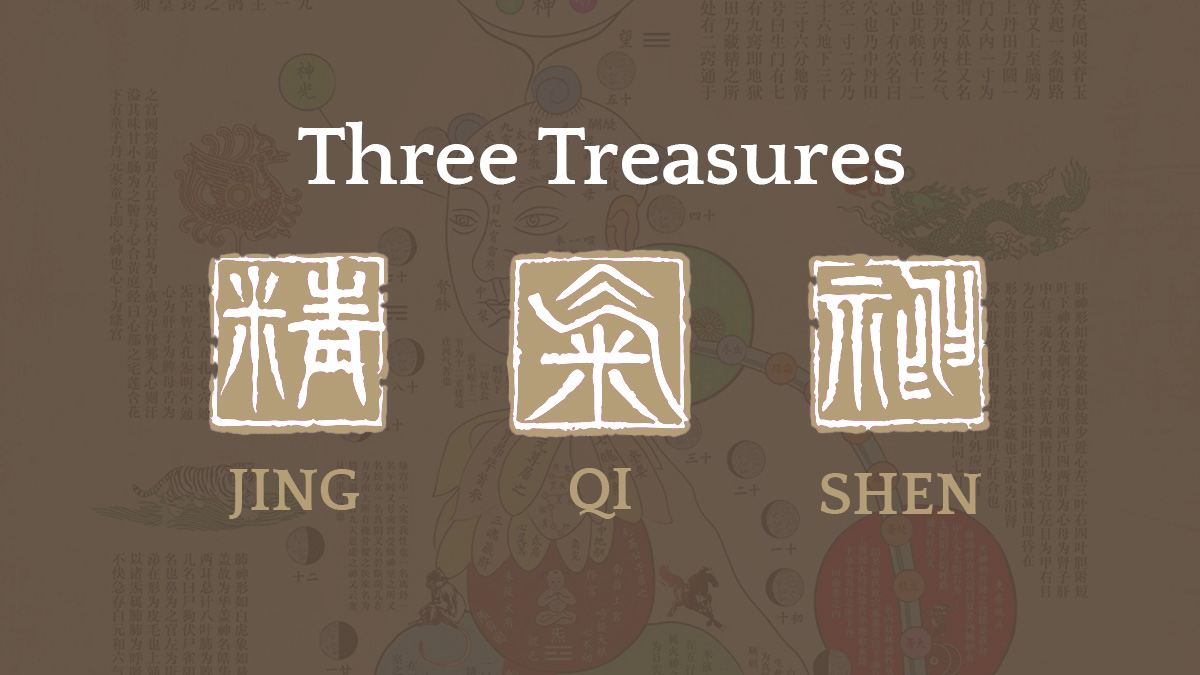
Three Treasures of Taoism: Jing, Qi, and Shen in Qigong
The Three Treasures—Jing (精), Qi (氣), and Shen (神)—are the essence, energy, and spirit of human life in Taoism. They appear in classical texts and remain central to Qigong practice today, guiding the cultivation of health, balance, and spiritual growth. In Taoist philosophy, the expression “Three Treasures” can carry different meanings, and understanding this distinction helps clarify both internal cultivation and classical teachings.
Wu Wei in Taoism: The Art of Effortless Action for Mind, Body, and Energy
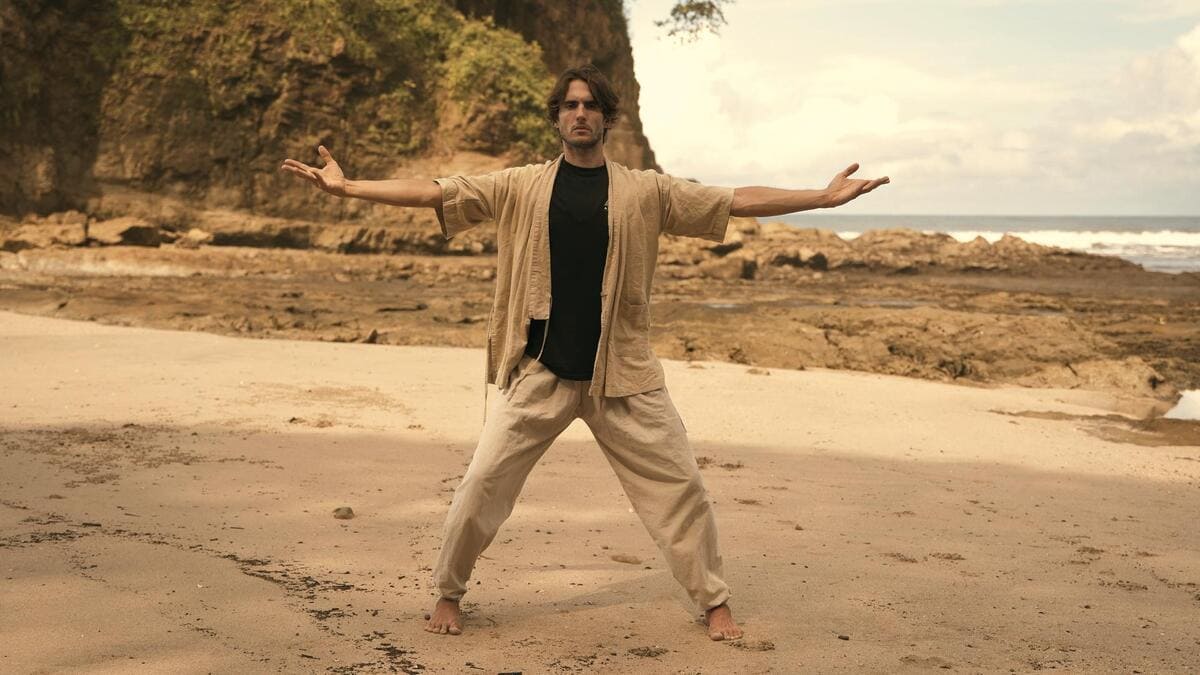
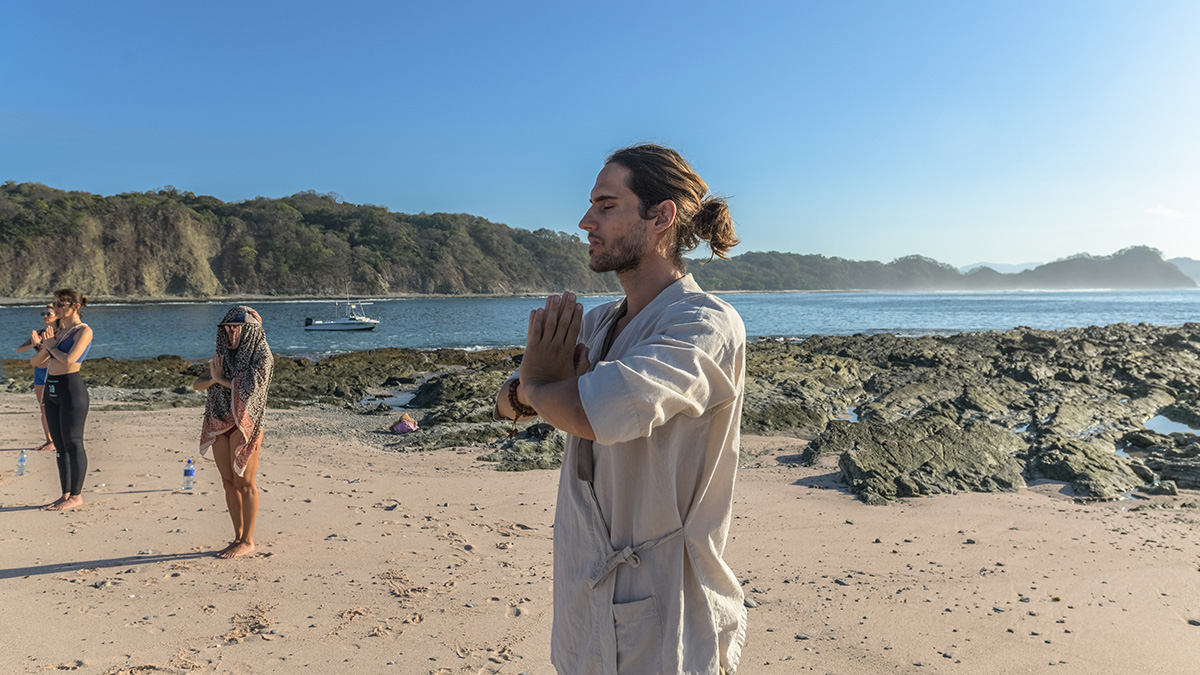
Wu Wei, often misunderstood as “doing nothing,” is a central concept in Taoism. It means effortless action in harmony with the Dao. This guide explains its meaning, its roots in classic texts, and how it connects to Qigong and daily life.
Dao in Taoism Source of Life and Way of Harmony
The Dao is both the origin of life and the path to harmony. This article explains the Dao in simple terms for beginners, while also offering depth for advanced practitioners. Learn how the Dao connects to Qigong, yin-yang, the Five Elements, and practices like wu wei and internal alchemy.
Health Benefits of Tai Chi: What Science Says About “Meditation in Motion”
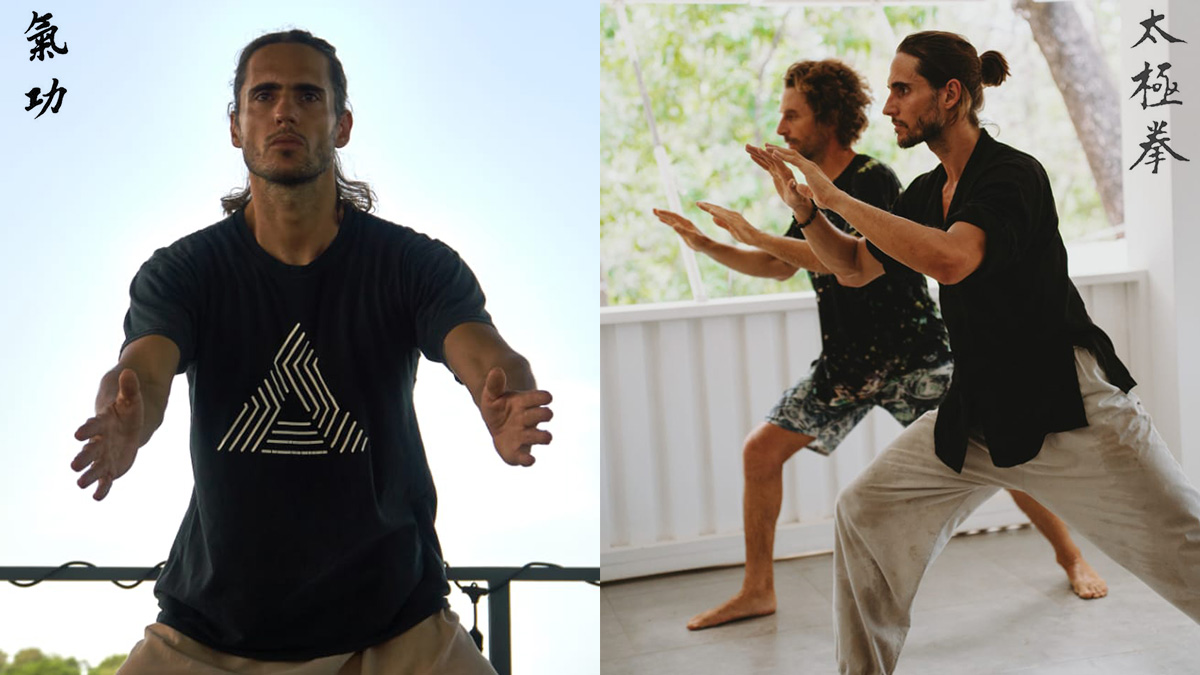
Wondering what benefits does Tai Chi have or is Tai Chi good exercise? Backed by modern research, Tai Chi is more than graceful movement—it reduces stress, strengthens balance, protects joints, and supports heart and brain health. In short: is Tai Chi good for you? Absolutely. Here’s what are the benefits of Tai Chi.
What Is the Difference Between Tai Chi and Qigong
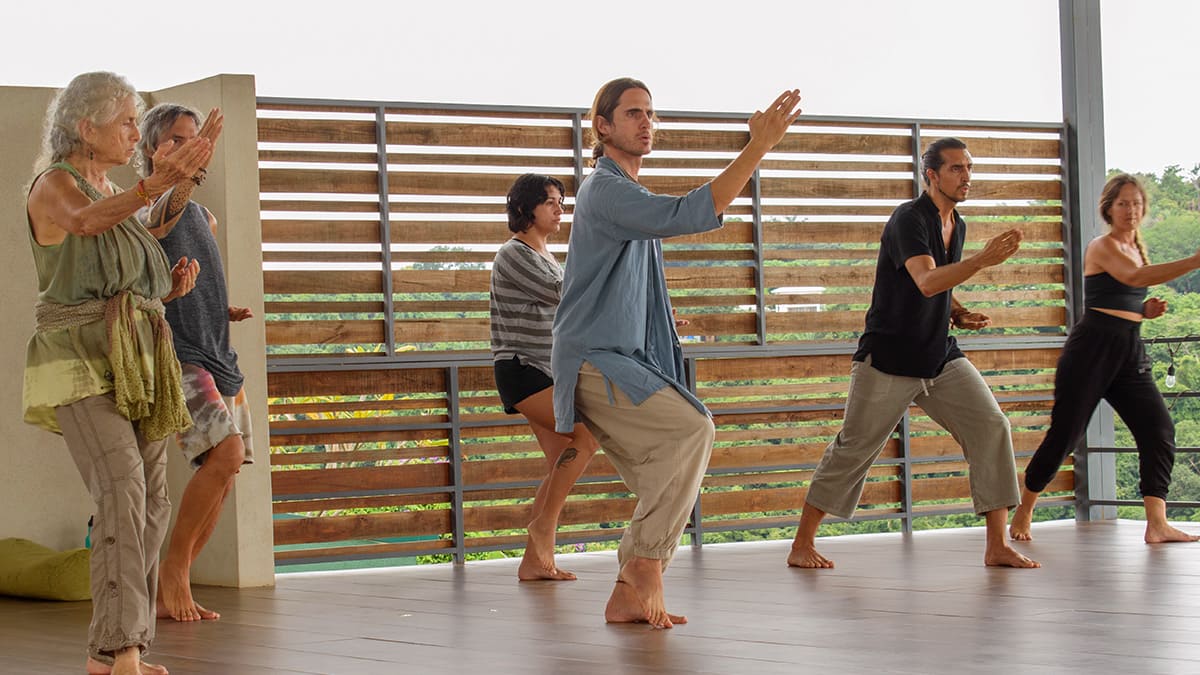
Tai Chi (Taijiquan) and Qigong are two ancient Chinese practices often seen side by side in parks, retreats, and wellness programs. Both feature slow, mindful movements, deep breathing, and a meditative quality that makes them accessible to people of all ages. Yet, they are not the same.
Qigong Explained: What It Is, How It Works, and Key Health Benefits
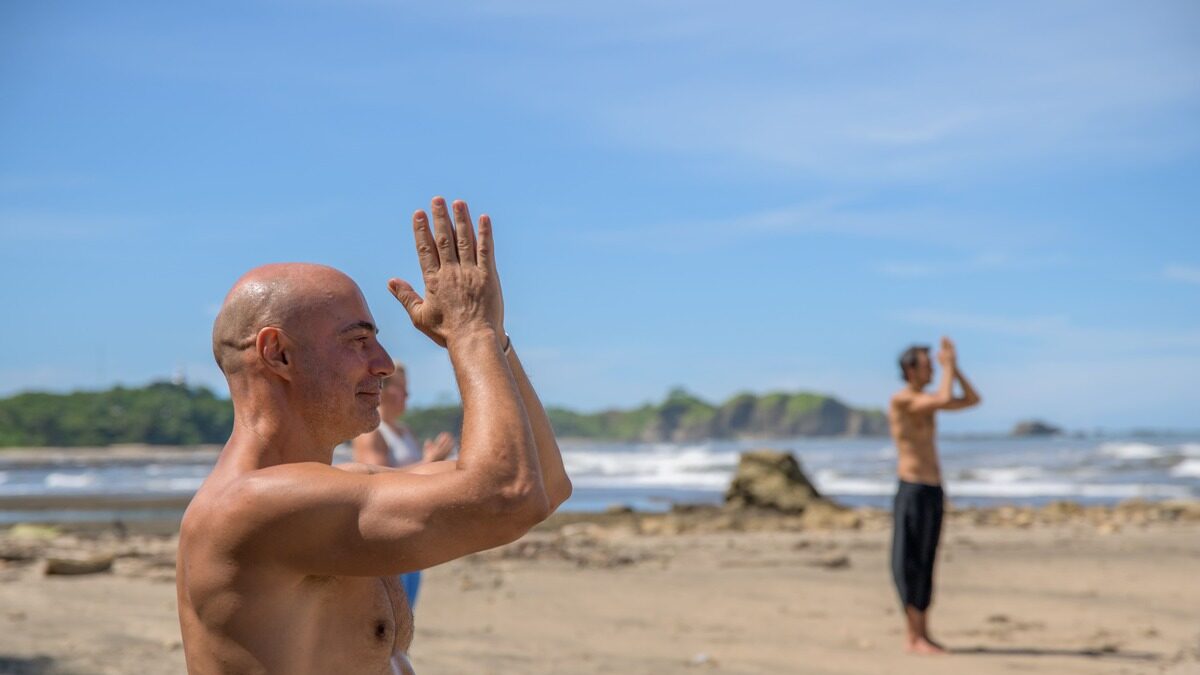
Benefits, Meaning, and How to Practice. Explore the meaning, health benefits, scientific evidence, and spiritual depth behind Qigong, an ancient energy cultivation practice rooted in Traditional Chinese Medicine, Taoism and Buddhism. This guide covers how Qigong works, who it is for, and how to begin your own journey through breath, movement, and awareness.
Qigong vs Yoga: Key Differences, Benefits, and How to Practice Both
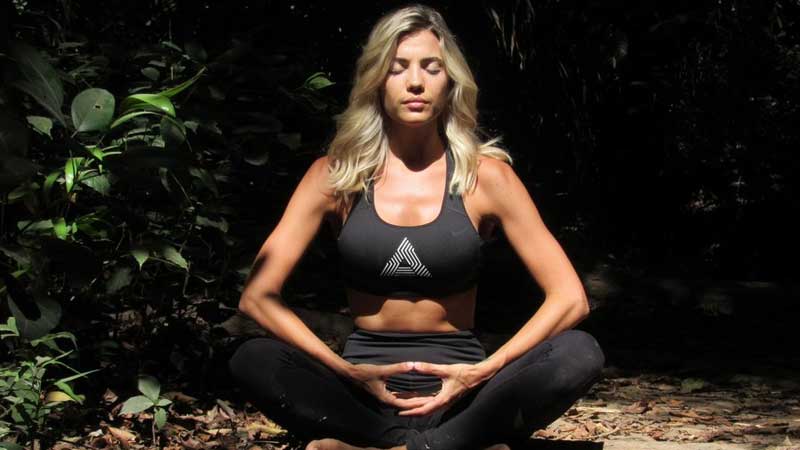
Qigong vs Yoga: Two Ancient Practices, One Journey to Health and Energy
Qigong Meditation for Beginners
What is Qigong Meditation? Traditional Meditation versus Qigong Meditation, what are the differences? Modality. Tips for beginners.