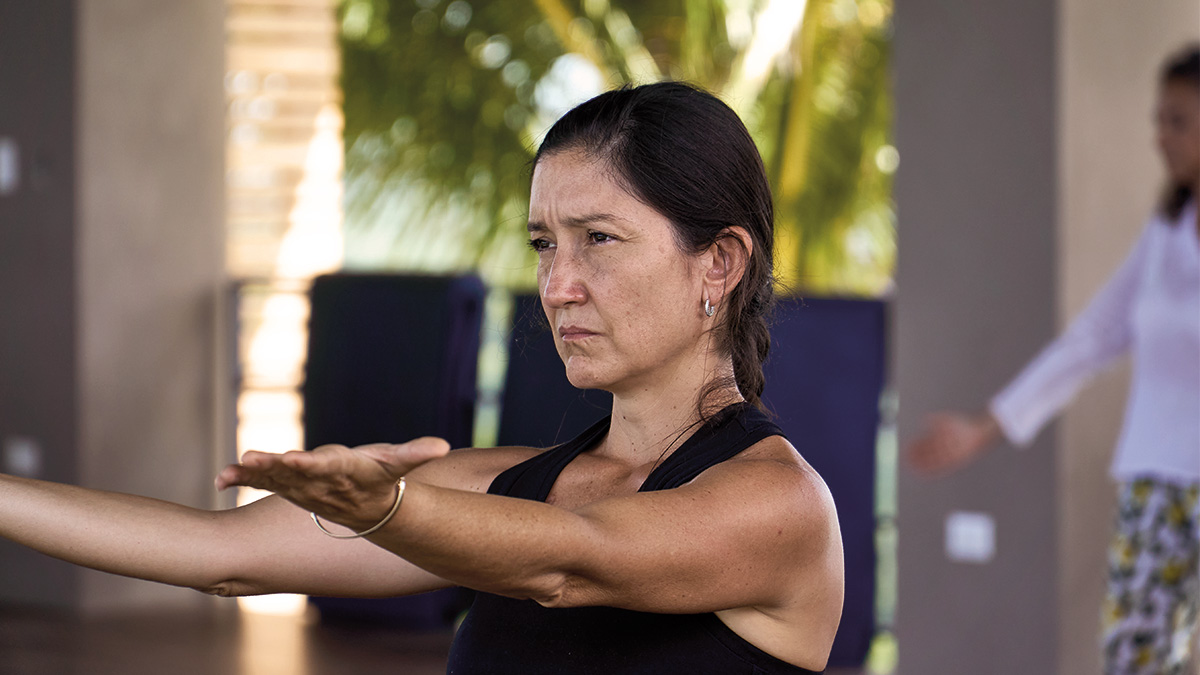
You sleep eight hours and wake up drained. This guide explains why chronic anxiety depletes Jing — the body’s deepest reserve — why ordinary rest can’t refill it, and what actually rebuilds it: deep breathing, standing practice and, above all, time. Includes how long it usually takes to feel a shift.

Health & Wellness
Discover how Qigong can improve your sleep, balance your emotions, boost immunity, and support healthy aging. These articles explore the healing benefits of Qigong through routines, insights, and evidence-based practices for physical and mental well-being.
“I Feel Anxious for No Reason”: What Chinese Medicine Understands That Western Psychology Is Still Figuring Out
There’s no trigger, no meeting you’re dreading, nothing urgent happening, yet the feeling stays. This guide explains what Chinese medicine calls Qi stagnation, why searching for a cause keeps the loop going, and how Qigong works on the body instead of the narrative — and why the absence of a reason doesn’t mean the absence of a cause.
Why Anxiety Symptoms Feel Different in Women (and Why Most Advice Misses This)
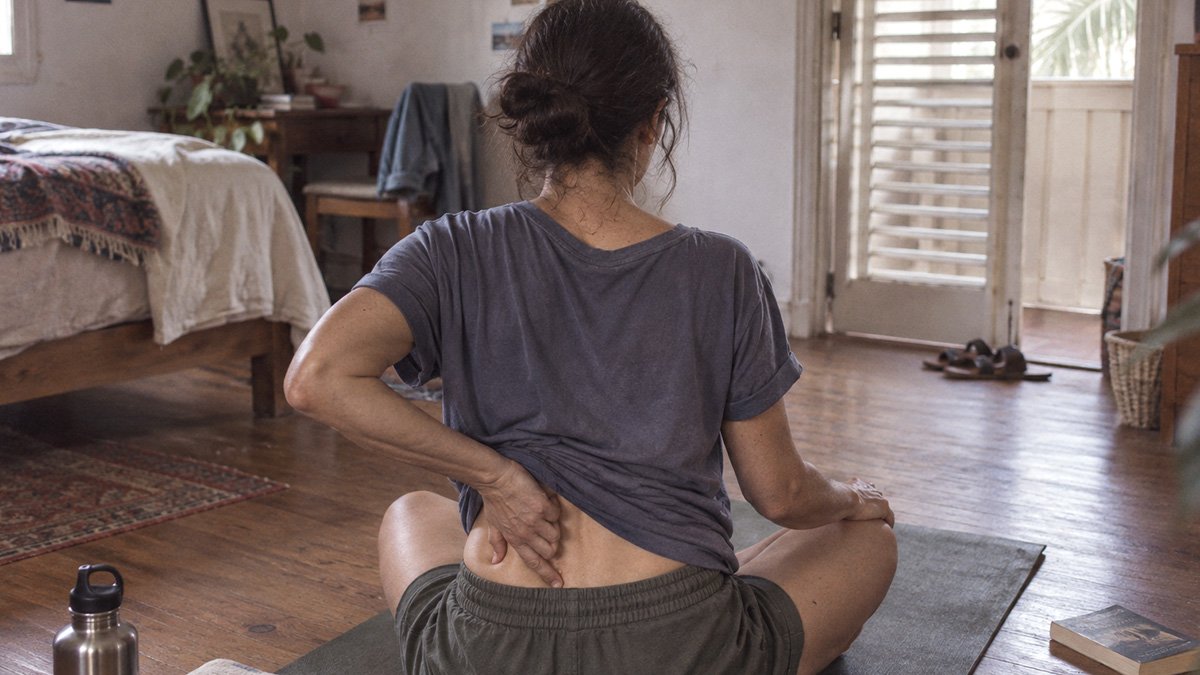
Women are diagnosed with anxiety nearly twice as often as men, yet the physical signs — jaw clenching, lower back pain, 3am waking — are the ones most checklists miss. This guide maps those symptoms to the Liver, Kidneys and Heart in Chinese medicine, explains why clinical frameworks overlook them, and shows how Qigong works at the organ level underneath.
You’re exhausted, successful, and still anxious at 3am. There’s a name for that
You respond to every email. Your family finds you present. You exercise, eat reasonably well, and by most external measures, you are doing just fine. Your shoulders bear the weight differently than they did five years ago, but nothing appears fractured.
The Path to Calm: 5 Pillars of Zen Mindfulness for the Modern Mind
In the fast-paced rhythm of today’s world, true stillness often feels like an unreachable destination. Yet, within the profound depths of the Chan (Zen) Buddhist and Taoist traditions, calm is not a quality to be sought outside of ourselves; it is our original nature, waiting to be remembered and cultivated.
The Eight Pieces of Brocade (Ba Duan Jin) Qigong for Vitality and Longevity
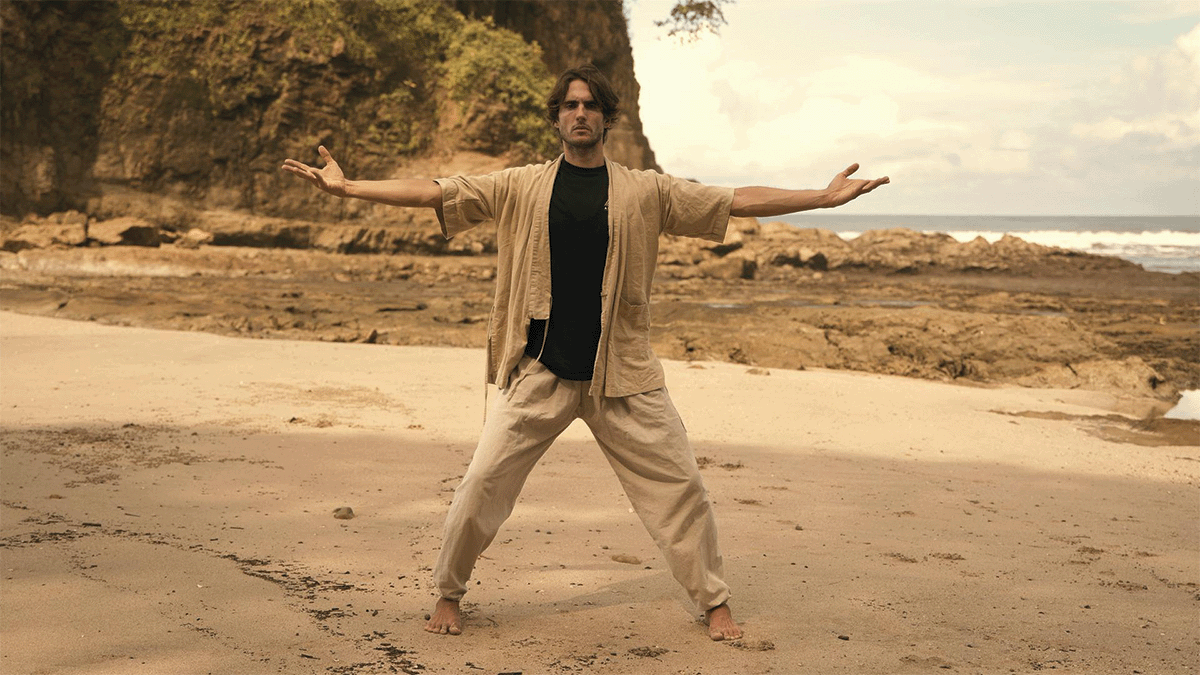
Practiced for centuries to harmonize body, breath, and spirit, Ba Duan Jin—also known as the Eight Brocades of Silk—is one of the most enduring and accessible forms of Qigong. In this article, we explore its origins, internal principles, health benefits, and why it remains essential in both traditional and modern practice.
The Herb That Won a Nobel: Artemisia annua and the Five Elements
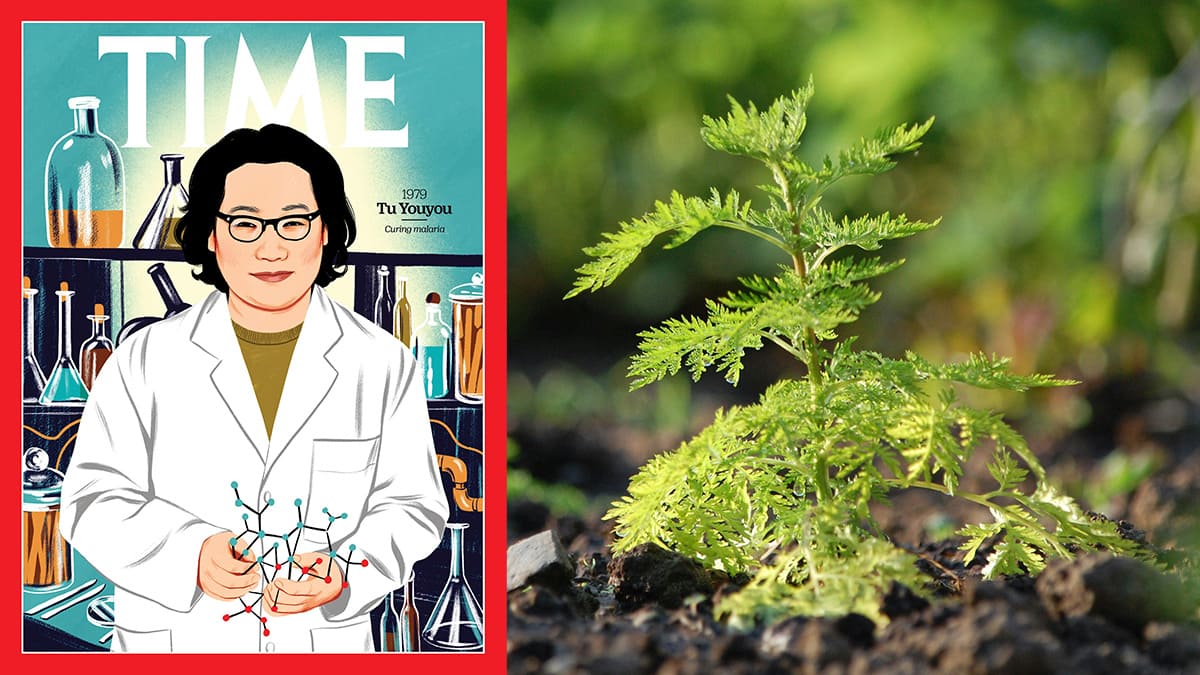
Used in Traditional Chinese Medicine to clear excess Fire, Artemisia annua became the key to curing malaria. The herb inspired a Nobel Prize — and remains a vital part of global medicine today.
The Five Elements in Chinese Medicine: Wu Xing, Organs, Emotions and Vital Energy
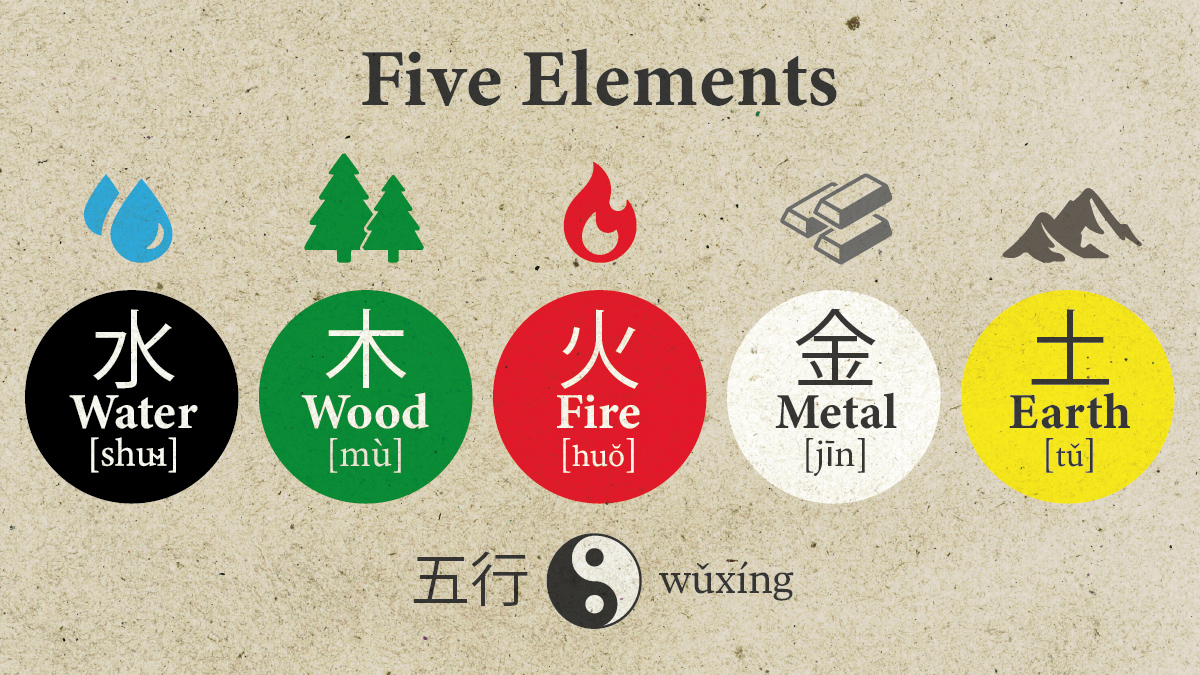
“When people ask What are the 5 elements of nature?”, most think of Earth, Water, Air, Fire — and maybe Ether. But in Chinese philosophy, the answer is different — and deeper. Discover Wu Xing: the Five Phases that shape emotions, organs, and the energy that flows through your body and breath.
Mindfulness or Tai Chi: Which Works Better for Improving Mood During Cancer?
A new clinical trial shows that both mindfulness and tai chi can help improve mood and emotional health in people with cancer — including those with breast cancer. These gentle, evidence-based practices may support mental well-being as part of a complementary therapy plan.
Health Benefits of Tai Chi: What Science Says About “Meditation in Motion”
Wondering what benefits does Tai Chi have or is Tai Chi good exercise? Backed by modern research, Tai Chi is more than graceful movement—it reduces stress, strengthens balance, protects joints, and supports heart and brain health. In short: is Tai Chi good for you? Absolutely. Here’s what are the benefits of Tai Chi.