Neidan, or Taoist internal alchemy, teaches how to cultivate and transform your inner energy through the refinement of Jing, Qi, and Shen. A practice of grounding, clarity, and deep inner change.
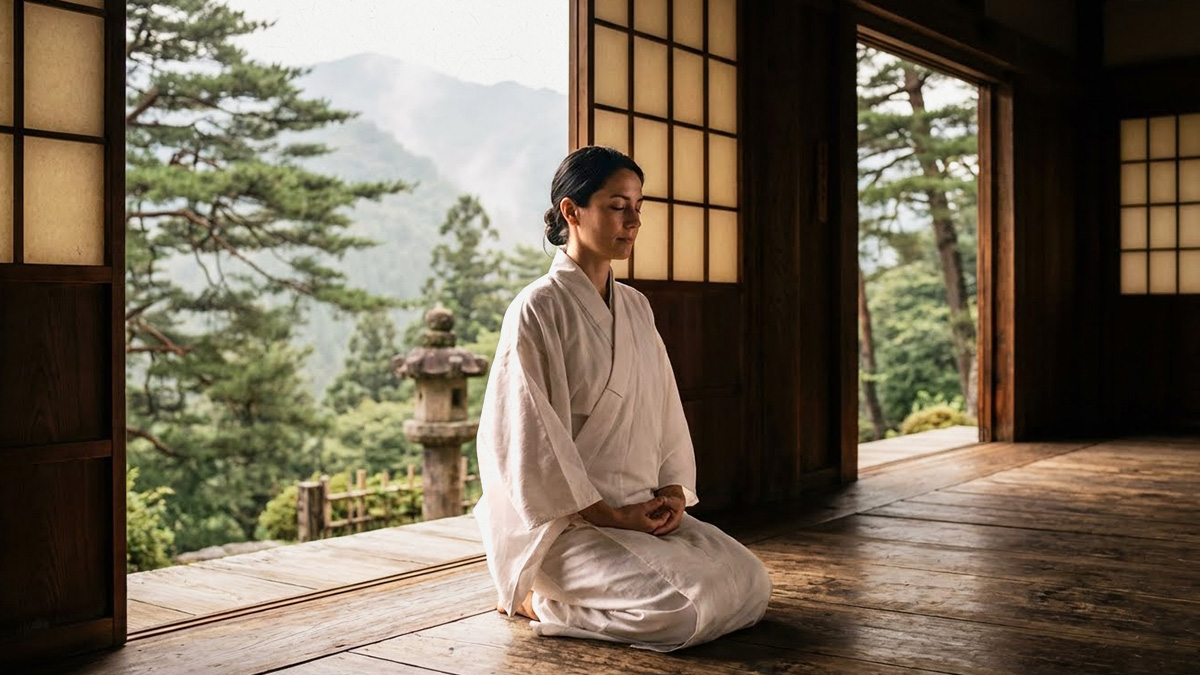

Explore the deeper dimensions of Qigong through Taoist and Buddhist philosophy, energetic anatomy, and the spiritual aspects of the Three Treasures. Understand how Qi, Jing, and Shen interact with nature, emotions, and personal transformation.
Neidan, or Taoist internal alchemy, teaches how to cultivate and transform your inner energy through the refinement of Jing, Qi, and Shen. A practice of grounding, clarity, and deep inner change.
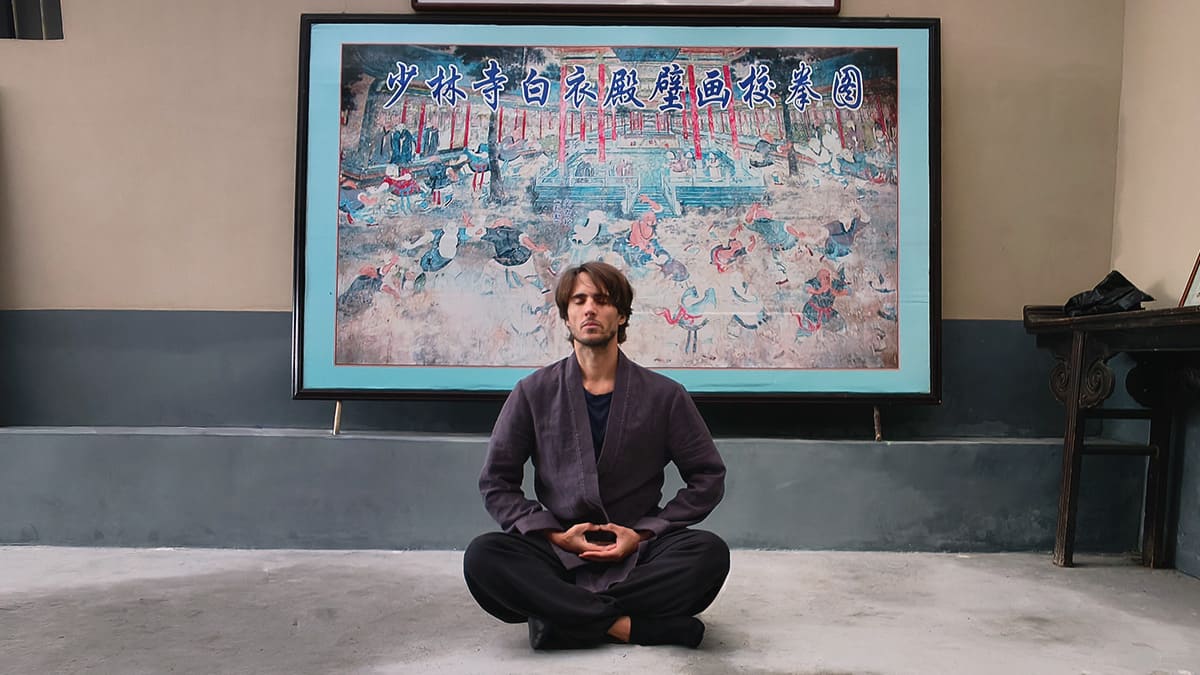
Neigong is not a technique, but a quiet path into the center of being. Within the body as a temple, we cultivate the invisible: essence, energy, and consciousness.
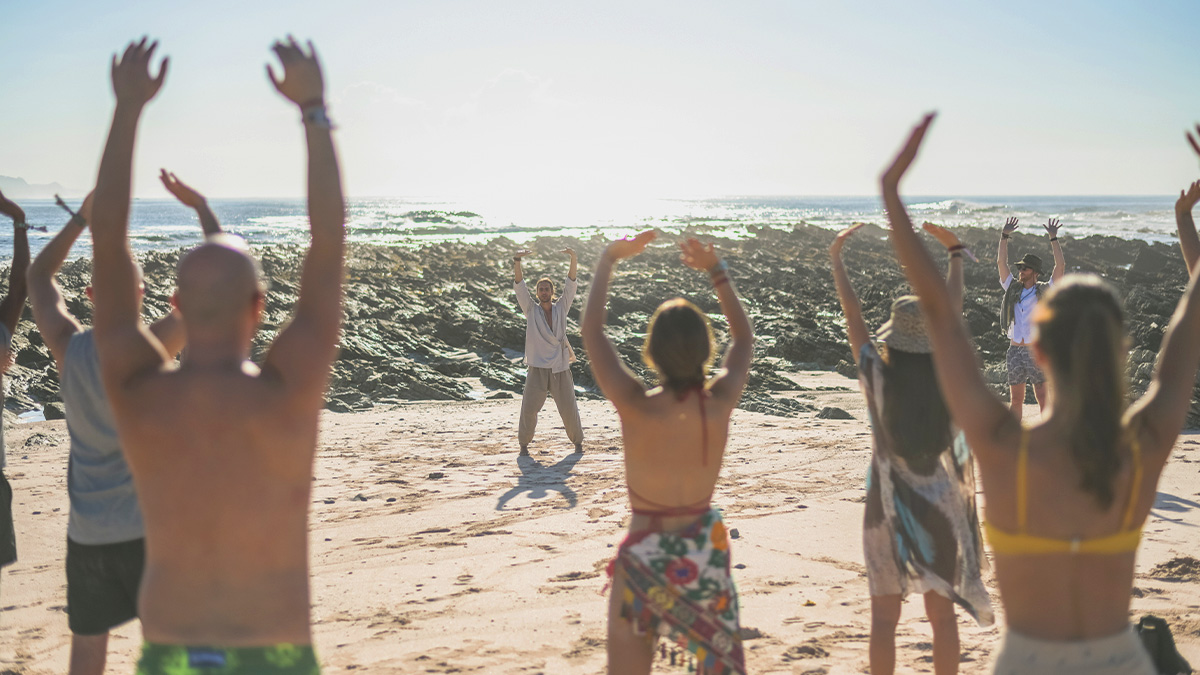
In this article, we explore the concept of vital energy as understood in Chinese, Indian, and Japanese traditions—known respectively as Qi, Prana, and Ki. We’ll discover how practices like Qigong help us cultivate this life force to restore balance, health, and connection with our true nature.
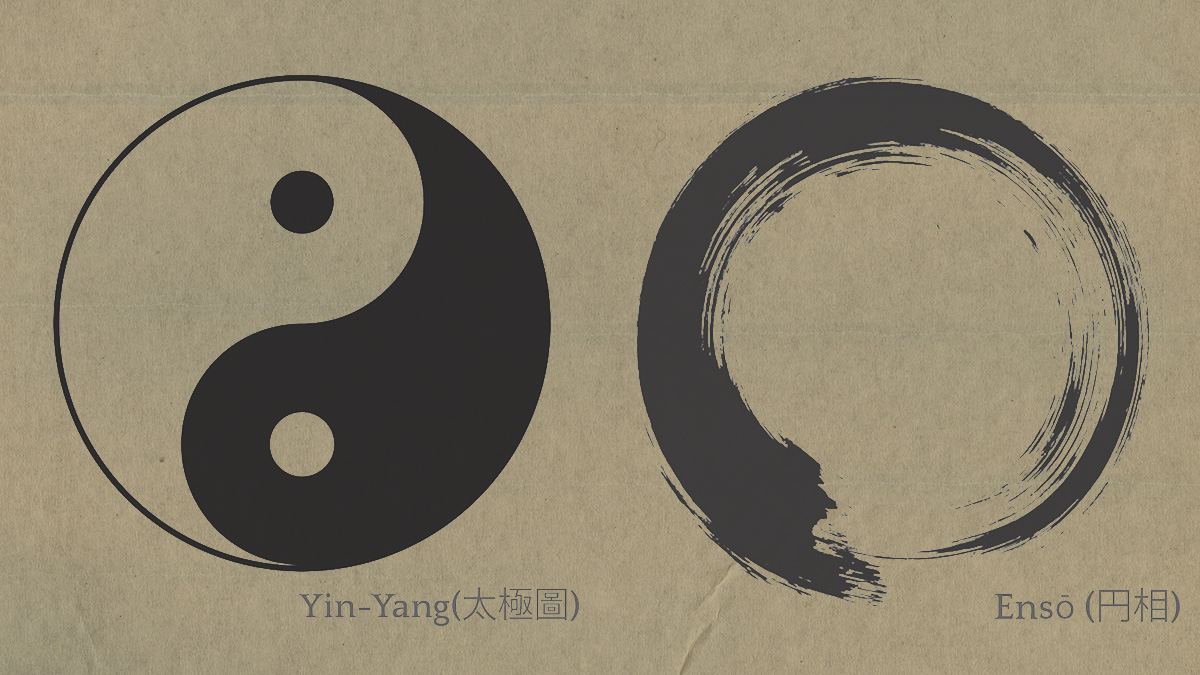
Circles are among humanity’s oldest symbols. They suggest wholeness, unity, and the infinite. In Eastern philosophy, two circles stand out: the Yin-Yang of Taoism and the Ensō of Zen Buddhism.
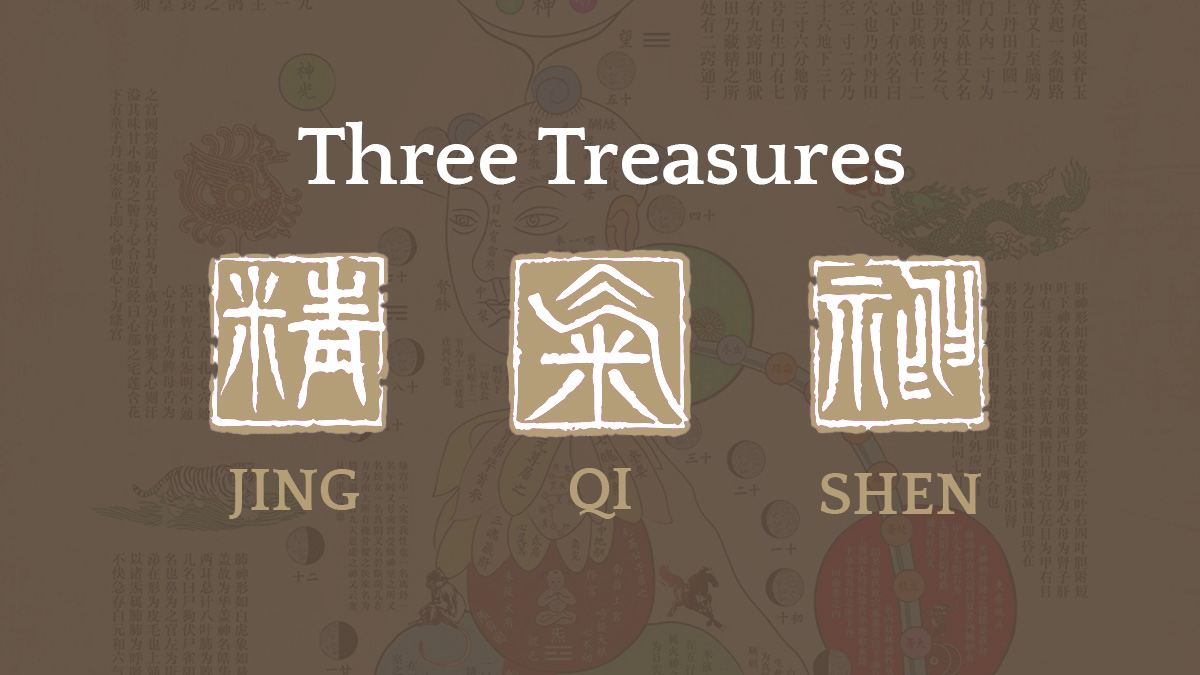
The Three Treasures—Jing (精), Qi (氣), and Shen (神)—are the essence, energy, and spirit of human life in Taoism. They appear in classical texts and remain central to Qigong practice today, guiding the cultivation of health, balance, and spiritual growth. In Taoist philosophy, the expression “Three Treasures” can carry different meanings, and understanding this distinction helps clarify both internal cultivation and classical teachings.
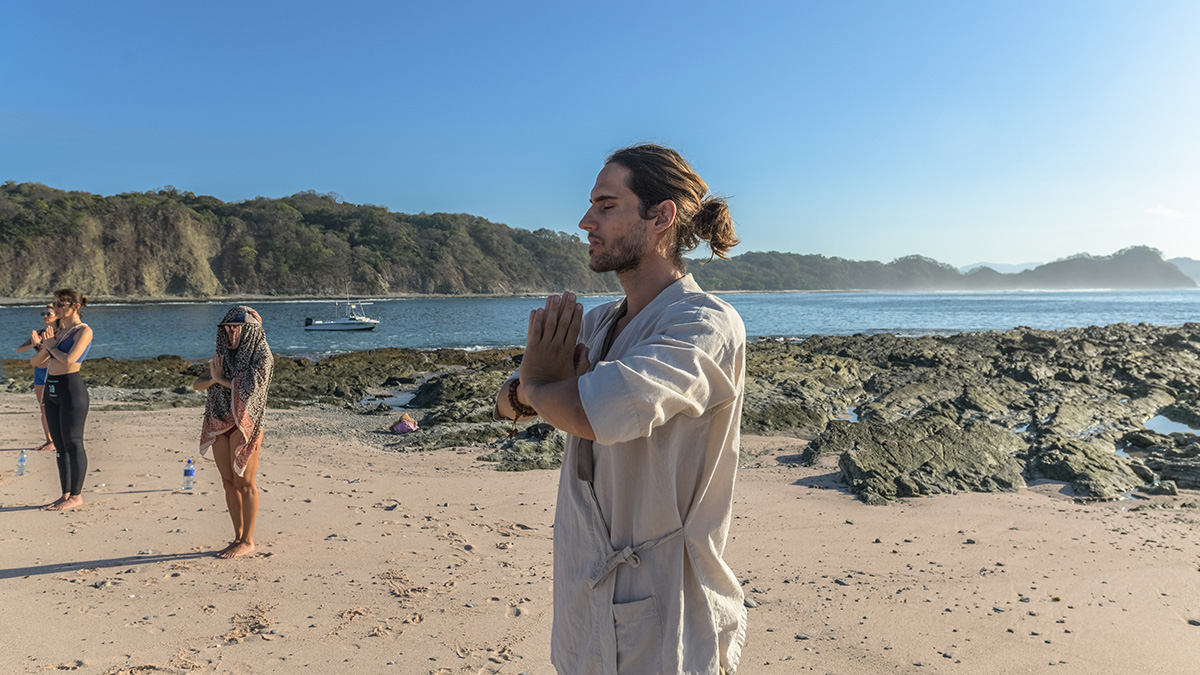
Wu Wei, often misunderstood as “doing nothing,” is a central concept in Taoism. It means effortless action in harmony with the Dao. This guide explains its meaning, its roots in classic texts, and how it connects to Qigong and daily life.
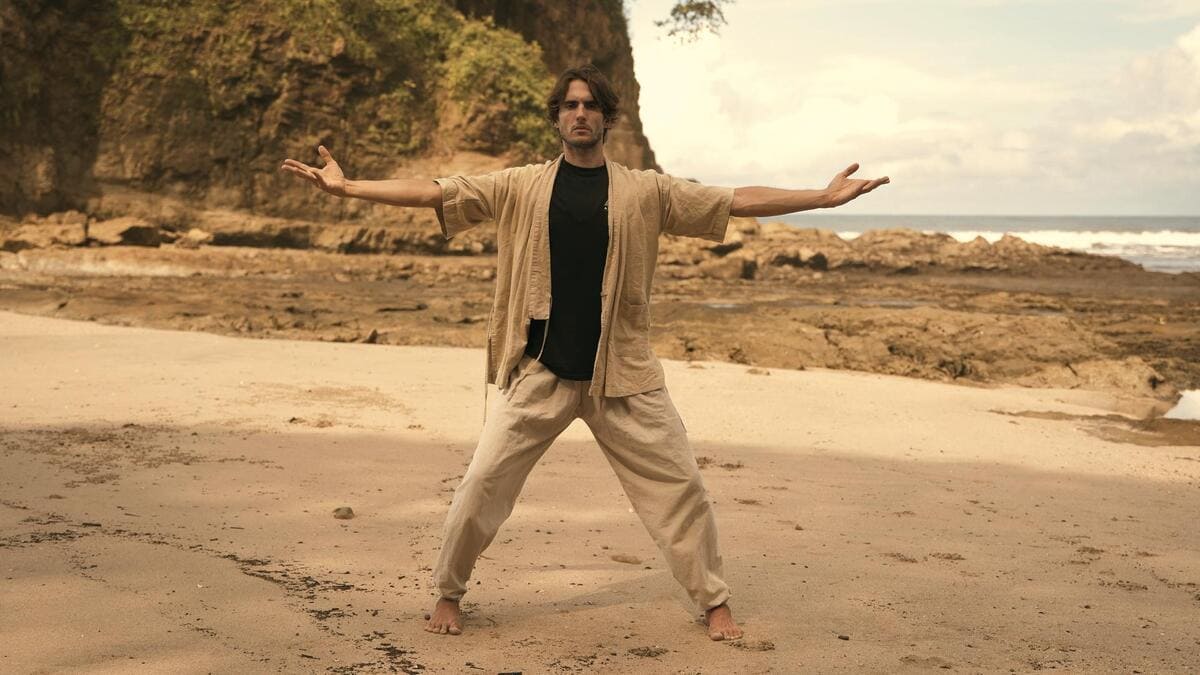
The Dao is both the origin of life and the path to harmony. This article explains the Dao in simple terms for beginners, while also offering depth for advanced practitioners. Learn how the Dao connects to Qigong, yin-yang, the Five Elements, and practices like wu wei and internal alchemy.
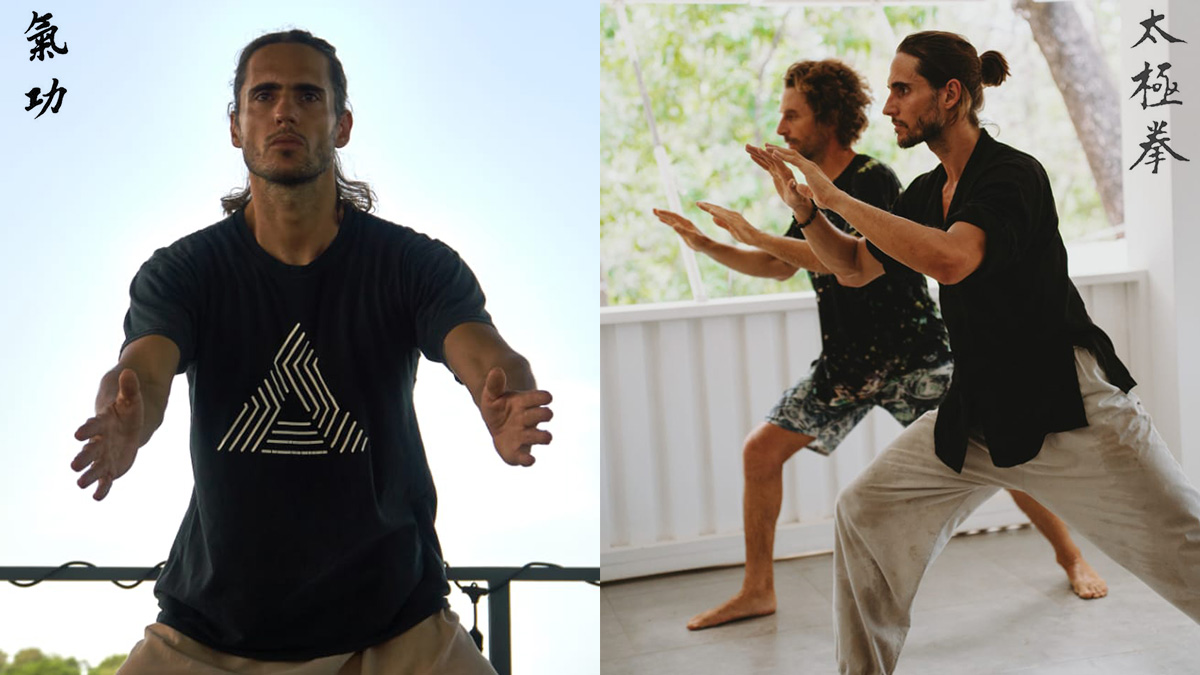
Tai Chi (Taijiquan) and Qigong are two ancient Chinese practices often seen side by side in parks, retreats, and wellness programs. Both feature slow, mindful movements, deep breathing, and a meditative quality that makes them accessible to people of all ages. Yet, they are not the same.
 Do you have questions? Contact us!