Zen and Taoism share silence and a deep suspicion of words. Scholars and practitioners have noted the overlap for centuries. The confusion has followed just as long.

Energy & Philosophy
Explore the deeper dimensions of Qigong through Taoist and Buddhist philosophy, energetic anatomy, and the spiritual aspects of the Three Treasures. Understand how Qi, Jing, and Shen interact with nature, emotions, and personal transformation.
Zen and Taoism share silence and a deep suspicion of words. Scholars and practitioners have noted the overlap for centuries. The confusion has followed just as long.

Ziran is one of the most quoted and least understood concepts in Daoism. It is not passivity, and it is not laissez-faire. Pu, the uncarved block, is not a fantasy of returning to childhood. This guide explains both terms, why they belong together in the Dao De Jing, and how they meet the breath, the posture, and the mind in Qigong practice.
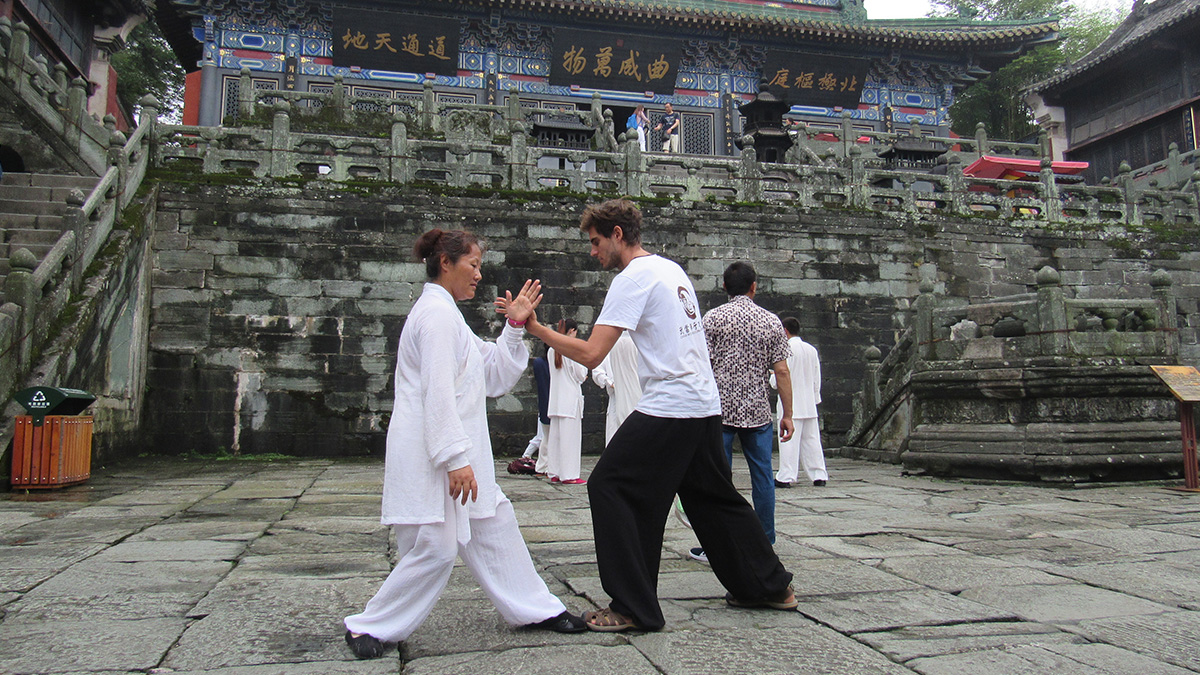
Zen and Taoism converge on the same terrain: stillness and the dissolution of the grasping self. Practitioners of both traditions sit, breathe, and learn to stop forcing. From the outside, the practices look nearly identical.
The philosophies behind them begin in different places entirely.
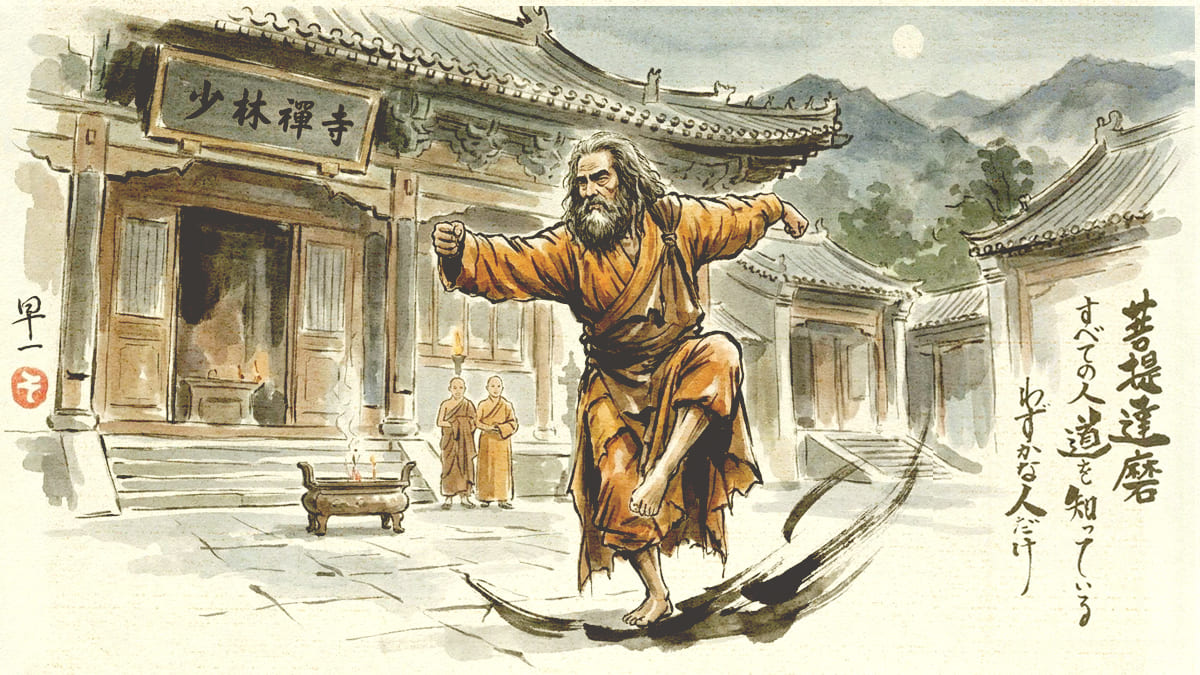
Zen Buddhism did not arrive fully formed from a single source. It grew over centuries, in multiple places, through teachers who never agreed on a single lineage. Western scholars wrote the origin story most people know — long after Zen already existed.
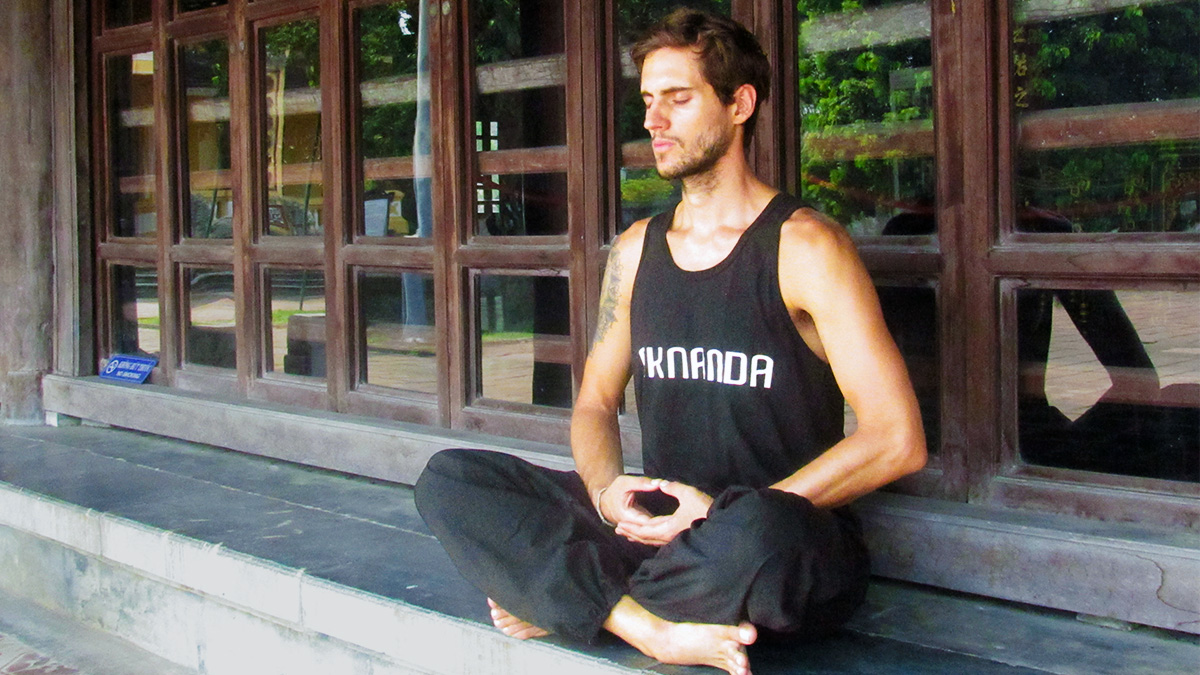
Zen Buddhism grew from the same philosophical soil as Taoism — and then grew in a different direction. For practitioners already familiar with the Dao, Wu Wei, and the cultivation of Qi, Zen offers a recognizable landscape with unfamiliar terrain. This guide explains what Zen is, where it came from, how it connects to Taoist practice, and what it asks of the practitioner who approaches it for the first time.
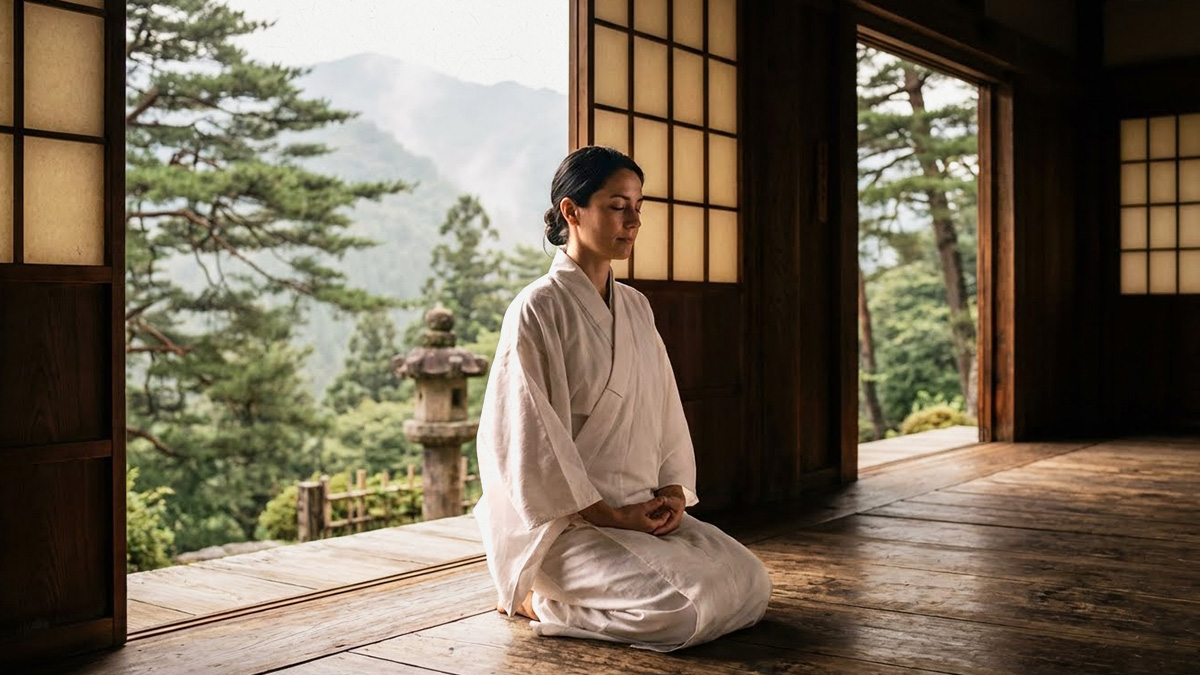
Neidan, or Taoist internal alchemy, teaches how to cultivate and transform your inner energy through the refinement of Jing, Qi, and Shen. A practice of grounding, clarity, and deep inner change.
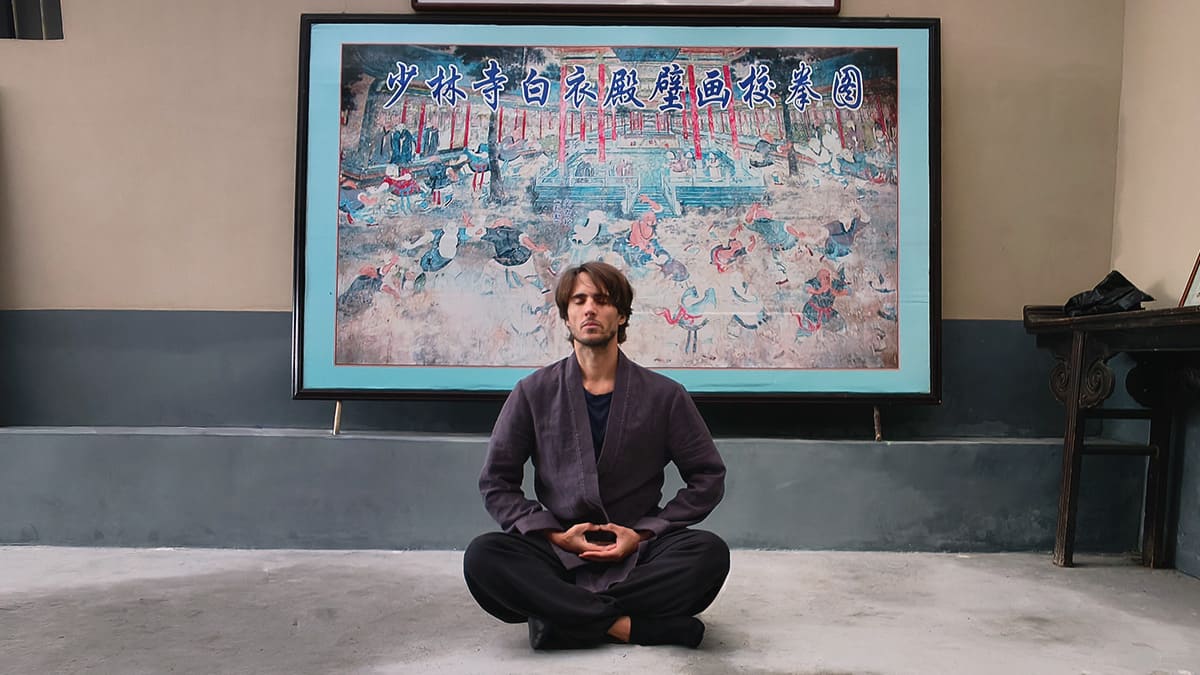
Neigong is not a technique, but a quiet path into the center of being. Within the body as a temple, we cultivate the invisible: essence, energy, and consciousness.

In this article, we explore the concept of vital energy as understood in Chinese, Indian, and Japanese traditions—known respectively as Qi, Prana, and Ki. We’ll discover how practices like Qigong help us cultivate this life force to restore balance, health, and connection with our true nature.
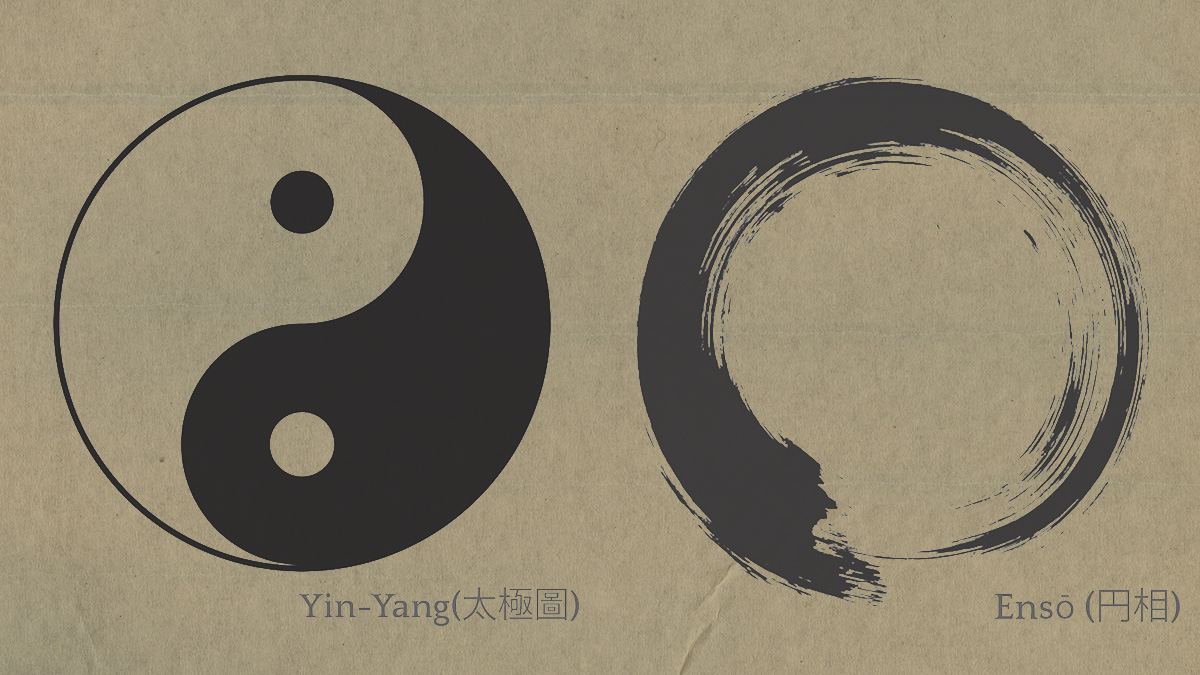
Circles are among humanity’s oldest symbols. They suggest wholeness, unity, and the infinite. In Eastern philosophy, two circles stand out: the Yin-Yang of Taoism and the Ensō of Zen Buddhism.
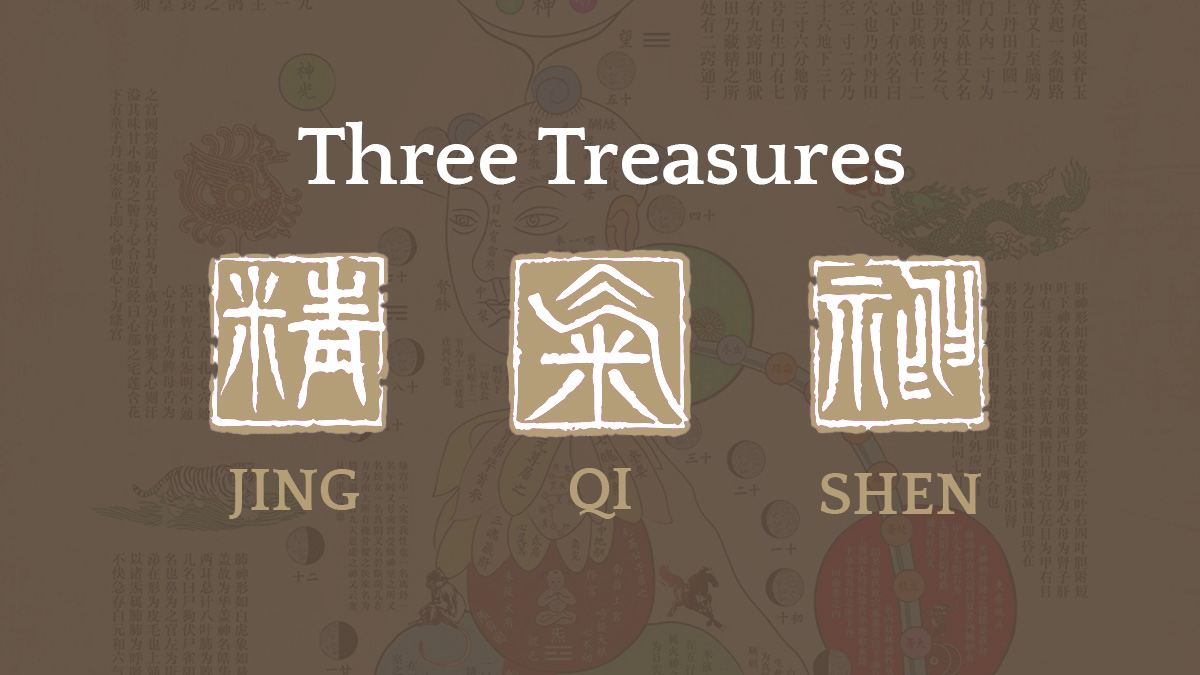
The Three Treasures—Jing (精), Qi (氣), and Shen (神)—are the essence, energy, and spirit of human life in Taoism. They appear in classical texts and remain central to Qigong practice today, guiding the cultivation of health, balance, and spiritual growth. In Taoist philosophy, the expression “Three Treasures” can carry different meanings, and understanding this distinction helps clarify both internal cultivation and classical teachings.
 Do you have questions? Contact us!