A room full of people in silence is not empty. Something in the air shifts and the shift is not metaphorical. Teachers who lead group meditation describe it the same way, again and again: the faces change first.
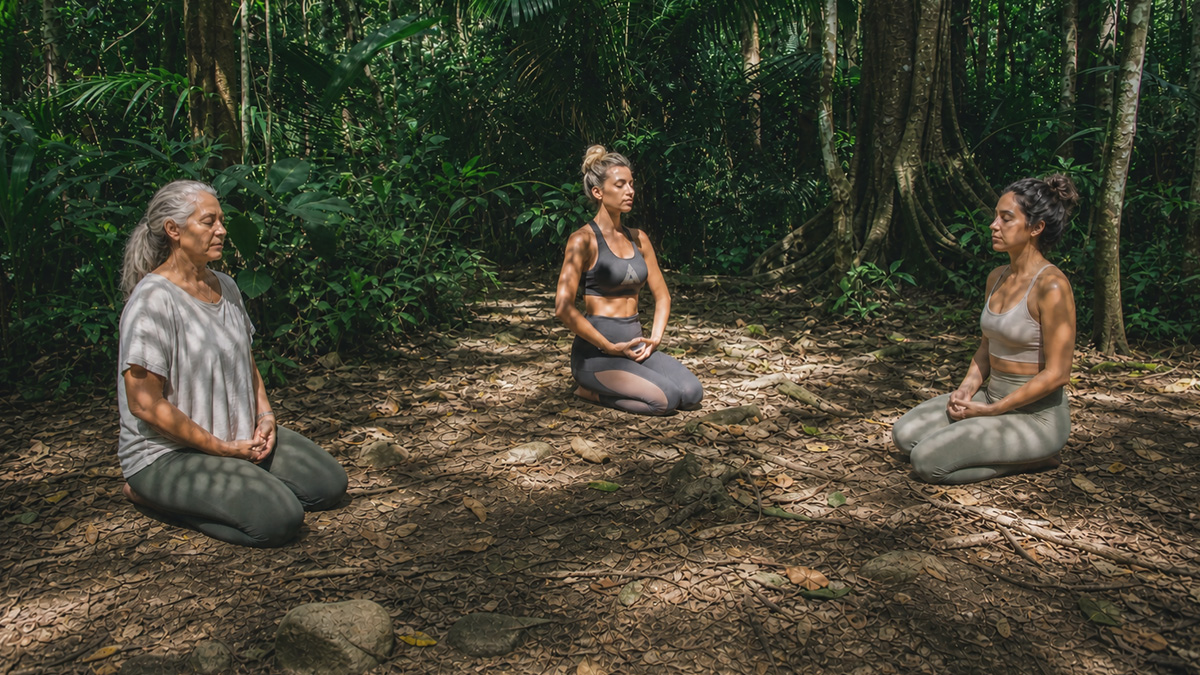

Practice & Technique
Learn how to practice Qigong with expert guidance on forms, breathing, posture, and foundational techniques. From Wuji standing to dynamic routines, this section helps you build a consistent and effective Qigong practice—step by step.
A room full of people in silence is not empty. Something in the air shifts and the shift is not metaphorical. Teachers who lead group meditation describe it the same way, again and again: the faces change first.
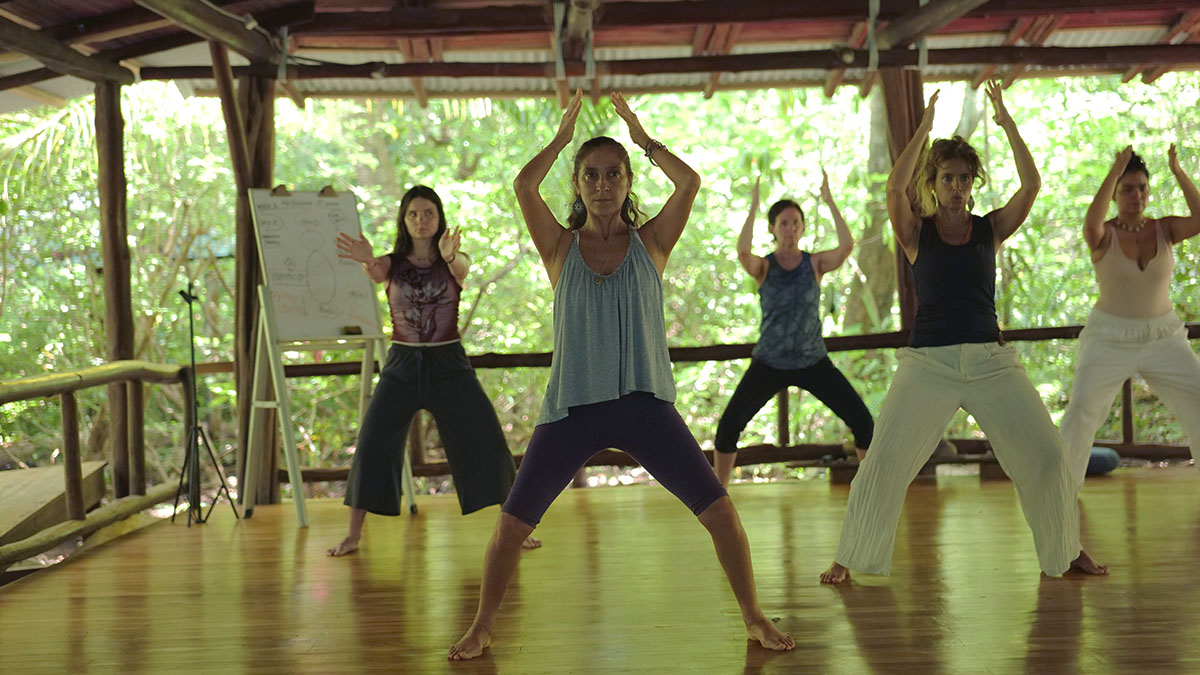
The Shaolin Temple is and will always be a great university where health, spiritual development, and the cultivation of traditional martial arts have been expressed for centuries. To speak of Shaolin Qigong is to enter a vast and inexhaustible territory. Despite the existence of a specific cloister of knowledge, instruments, and exercises, each school, each master, and ultimately every advanced practitioner has made a singular use of them—adapting and wearing the suit of the form to recreate a different expression.
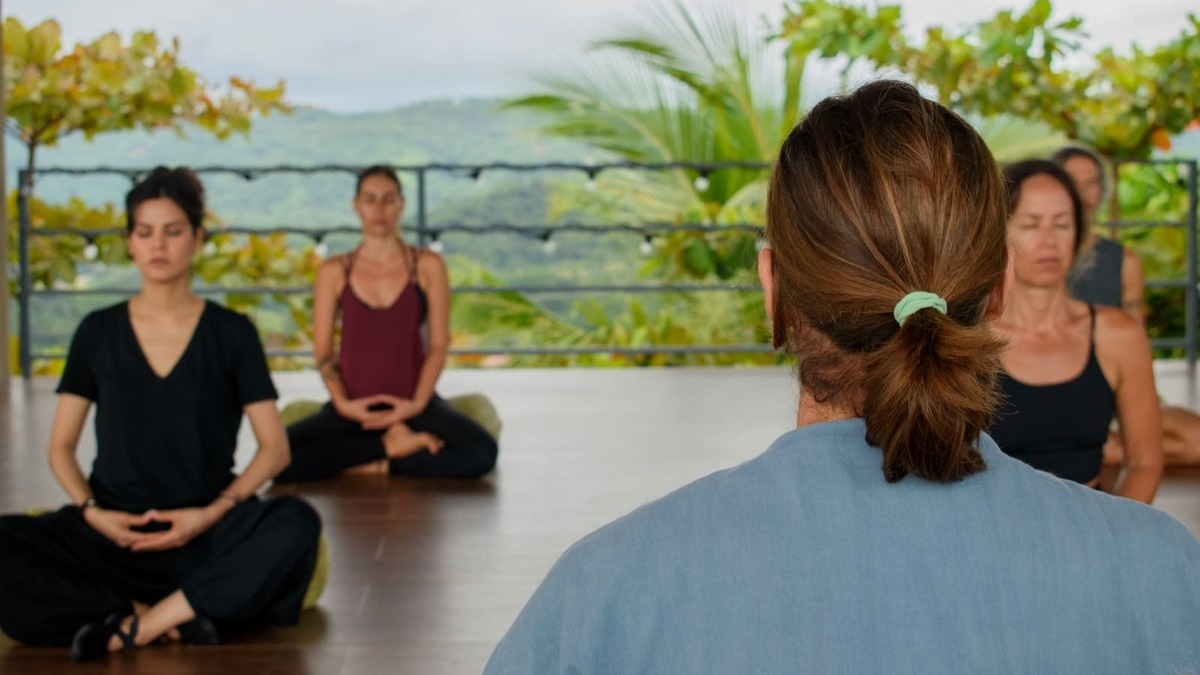
Most people treat meditation as something to perform — a technique, a posture, a set of instructions to get right. Meditation is a state of body and mind: an indefinable momentum that arises from cultivating silence and stillness, an encounter with the flow of nature itself. This guide explains what meditation actually is, what we train instead, and how this current connects to Qigong.

The Yi Jin Jing (易筋經), the Muscle and Tendon Changing Classic, is one of the sacred foundational texts of the Chinese internal arts — and one of the most misunderstood. It is not a stretching routine, not a set of strengthening exercises, and not a fitness system. It is a principle: the systematic process by which Qi initiates a structural transformation of the muscles, tendons, and fascial network from within. This article covers its origins at the Shaolin Temple, the core principle behind its practice, the 12 postures, and how the Aknanda Method applies it from the very first movement.

If you searched for when International Qigong Day or Taijiquan Day is celebrated and got different answers, that’s not a mistake: there are now two official, distinct celebrations. This article explains what they are, why they emerged separately, and what they mean for practitioners around the world.
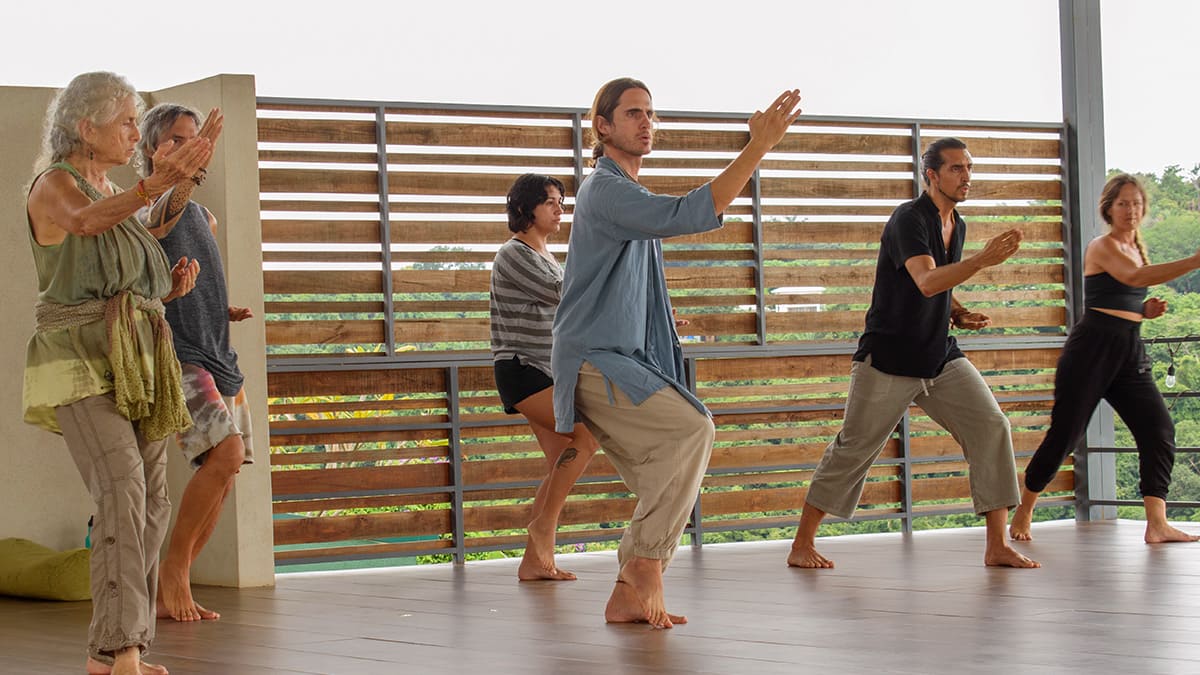
Benefits, Meaning, and How to Practice. Explore the meaning, health benefits, scientific evidence, and spiritual depth behind Qigong, an ancient energy cultivation practice rooted in Traditional Chinese Medicine, Taoism and Buddhism. This guide covers how Qigong works, who it is for, and how to begin your own journey through breath, movement, and awareness.

Qigong vs Yoga: Two Ancient Practices, One Journey to Health and Energy
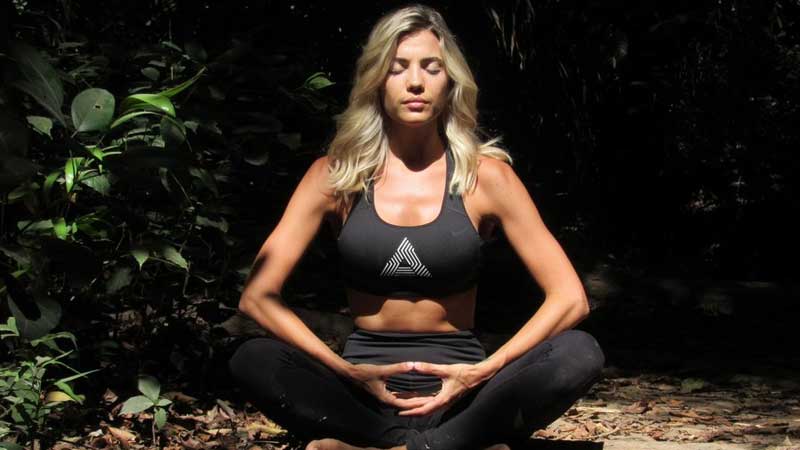
What is Qigong Meditation? Traditional Meditation versus Qigong Meditation, what are the differences? Modality. Tips for beginners.
 Do you have questions? Contact us!