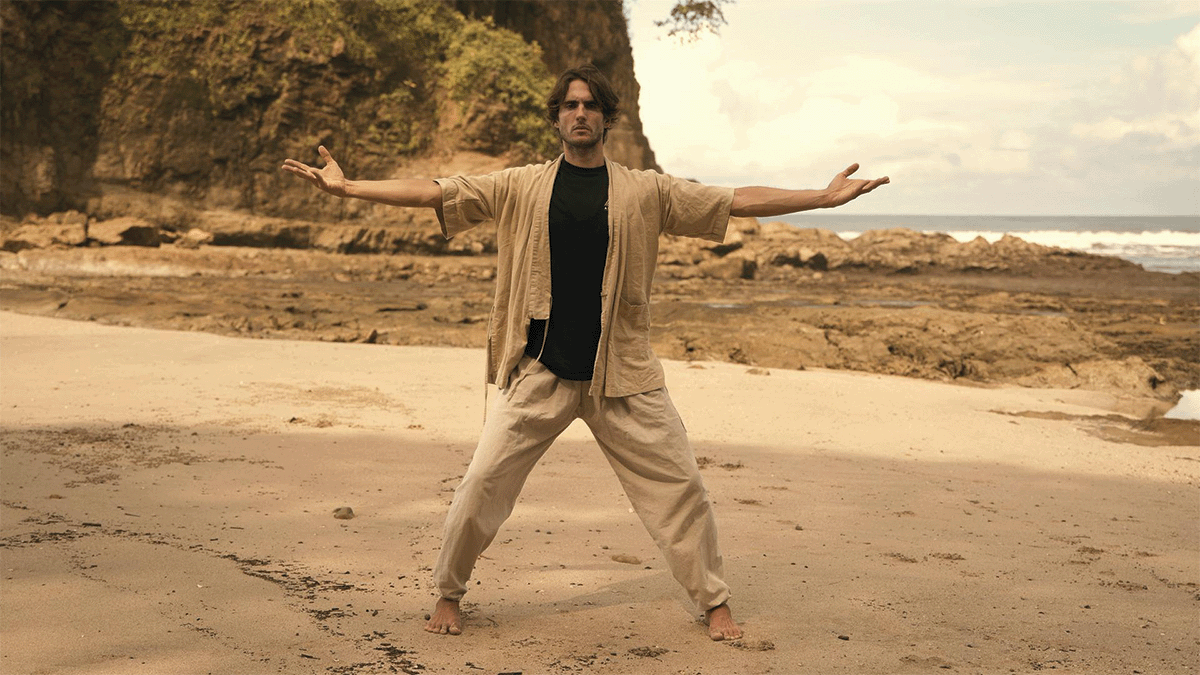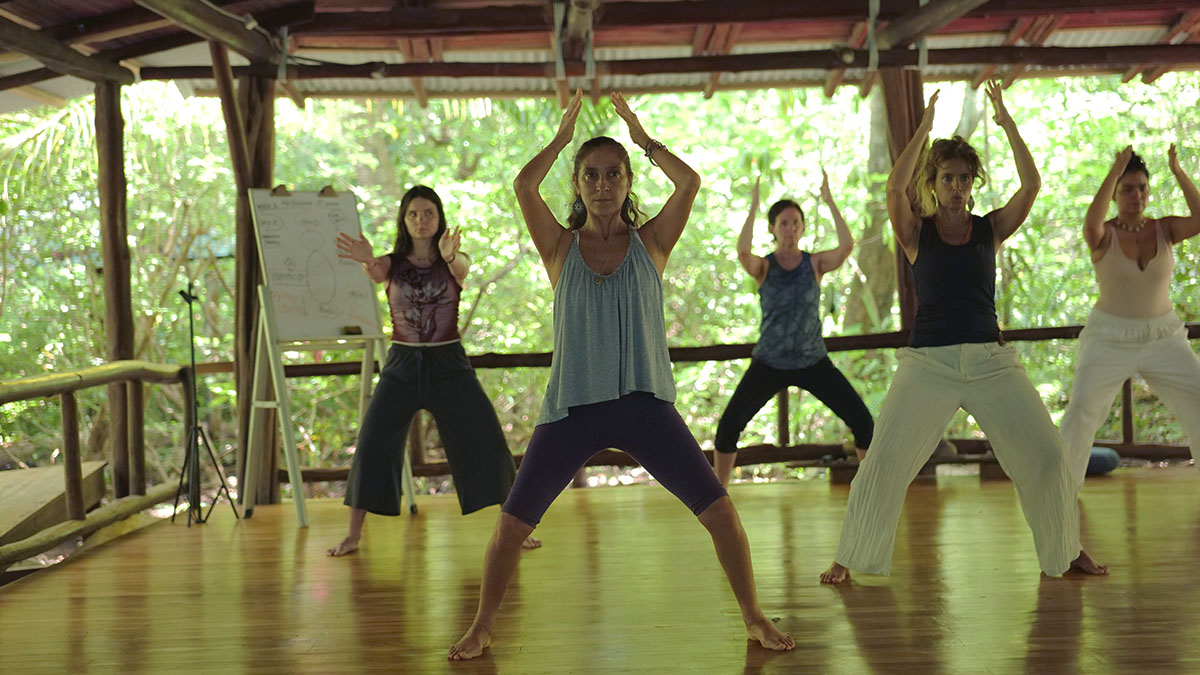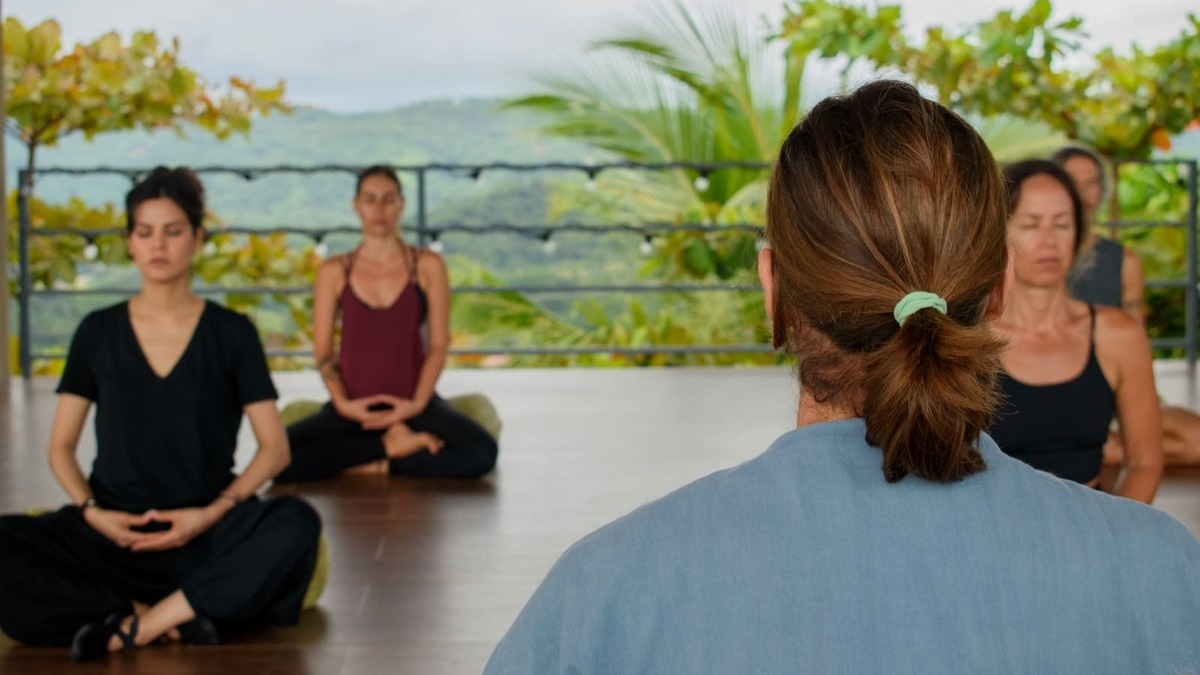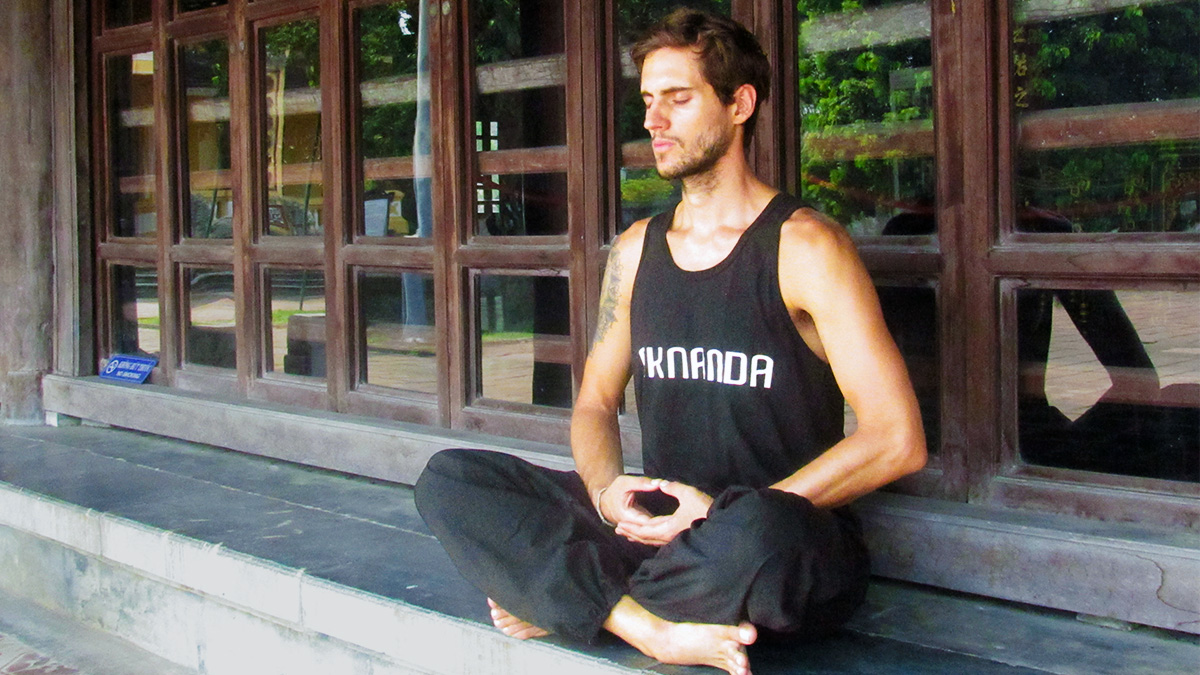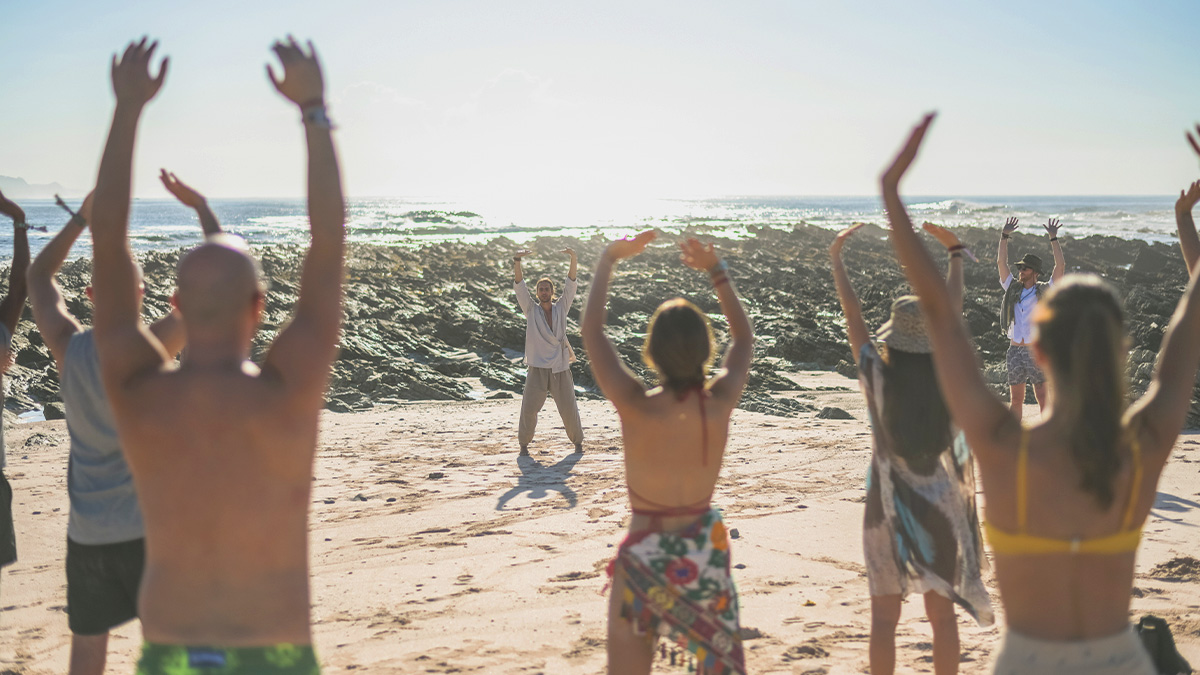
The Shaolin Temple is and will always be a great university where health, spiritual development, and the cultivation of traditional martial arts have been expressed for centuries. To speak of Shaolin Qigong is to enter a vast and inexhaustible territory. Despite the existence of a specific cloister of knowledge, instruments, and exercises, each school, each master, and ultimately every advanced practitioner has made a singular use of them—adapting and wearing the suit of the form to recreate a different expression.
What Is Meditation? A State, Not a Technique
Most people treat meditation as something to perform — a technique, a posture, a set of instructions to get right. Meditation is a state of body and mind: an indefinable momentum that arises from cultivating silence and stillness, an encounter with the flow of nature itself. This guide explains what meditation actually is, what we train instead, and how this current connects to Qigong.
The Root and the Branch: Zen Buddhism for Taoism and Qigong Practitioners
Zen Buddhism grew from the same philosophical soil as Taoism — and then grew in a different direction. For practitioners already familiar with the Dao, Wu Wei, and the cultivation of Qi, Zen offers a recognizable landscape with unfamiliar terrain. This guide explains what Zen is, where it came from, how it connects to Taoist practice, and what it asks of the practitioner who approaches it for the first time.
International Taijiquan Day and World Tai Chi and Qigong Day
If you searched for when International Qigong Day or Taijiquan Day is celebrated and got different answers, that’s not a mistake: there are now two official, distinct celebrations. This article explains what they are, why they emerged separately, and what they mean for practitioners around the world.
Neidan (Internal Alchemy): the Taoist Art of Transforming Essence into Spirit
Neidan, or Taoist internal alchemy, teaches how to cultivate and transform your inner energy through the refinement of Jing, Qi, and Shen. A practice of grounding, clarity, and deep inner change.
Neigong (Internal Work): the Taoist Art of Inner Cultivation in Qigong
Neigong is not a technique, but a quiet path into the center of being. Within the body as a temple, we cultivate the invisible: essence, energy, and consciousness.
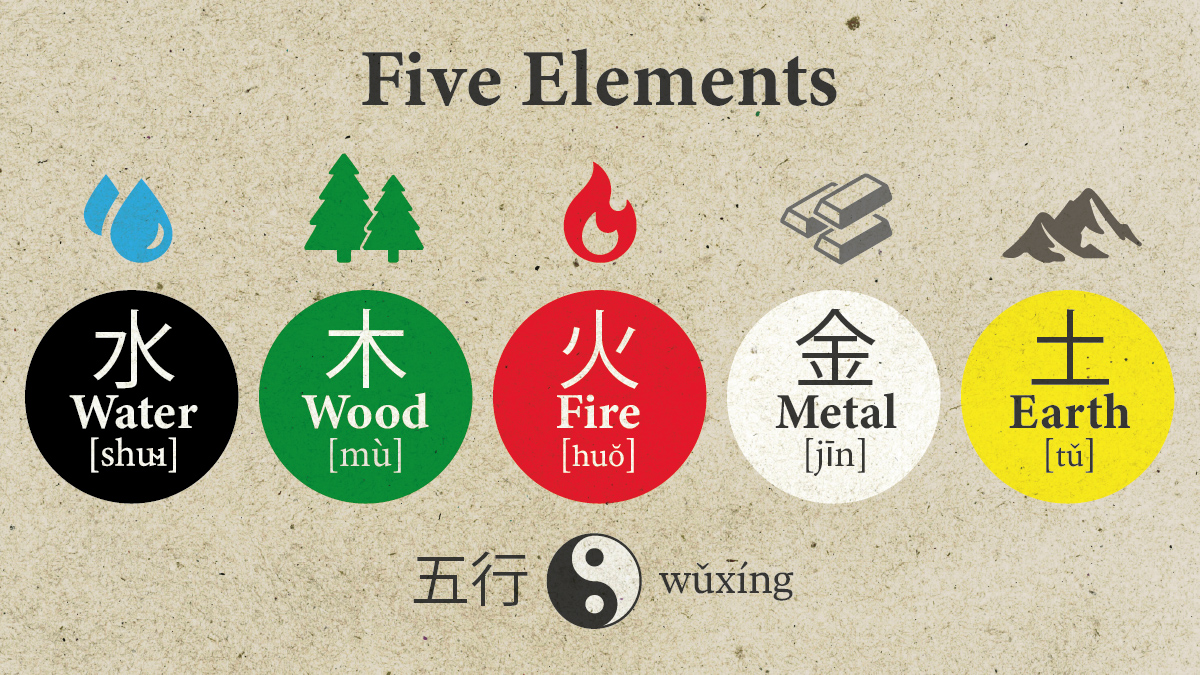
The Five Elements in Chinese Medicine: Wu Xing, Organs, Emotions and Vital Energy
“When people ask What are the 5 elements of nature?”, most think of Earth, Water, Air, Fire — and maybe Ether. But in Chinese philosophy, the answer is different — and deeper. Discover Wu Xing: the Five Phases that shape emotions, organs, and the energy that flows through your body and breath.
Qi, Prana, and Ki: What Is Vital Energy in the East and How Does Qigong Cultivate It?
In this article, we explore the concept of vital energy as understood in Chinese, Indian, and Japanese traditions—known respectively as Qi, Prana, and Ki. We’ll discover how practices like Qigong help us cultivate this life force to restore balance, health, and connection with our true nature.
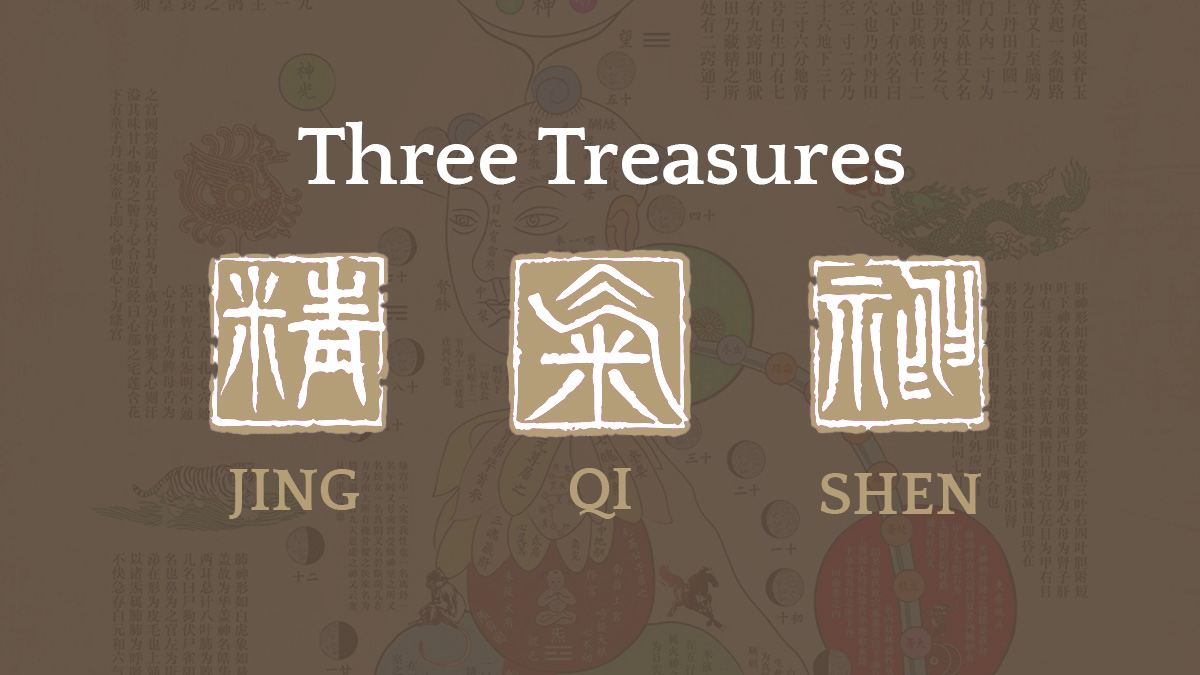
Three Treasures of Taoism: Jing, Qi, and Shen in Qigong
The Three Treasures—Jing (精), Qi (氣), and Shen (神)—are the essence, energy, and spirit of human life in Taoism. They appear in classical texts and remain central to Qigong practice today, guiding the cultivation of health, balance, and spiritual growth. In Taoist philosophy, the expression “Three Treasures” can carry different meanings, and understanding this distinction helps clarify both internal cultivation and classical teachings.
What Is the Difference Between Tai Chi and Qigong
Tai Chi (Taijiquan) and Qigong are two ancient Chinese practices often seen side by side in parks, retreats, and wellness programs. Both feature slow, mindful movements, deep breathing, and a meditative quality that makes them accessible to people of all ages. Yet, they are not the same.