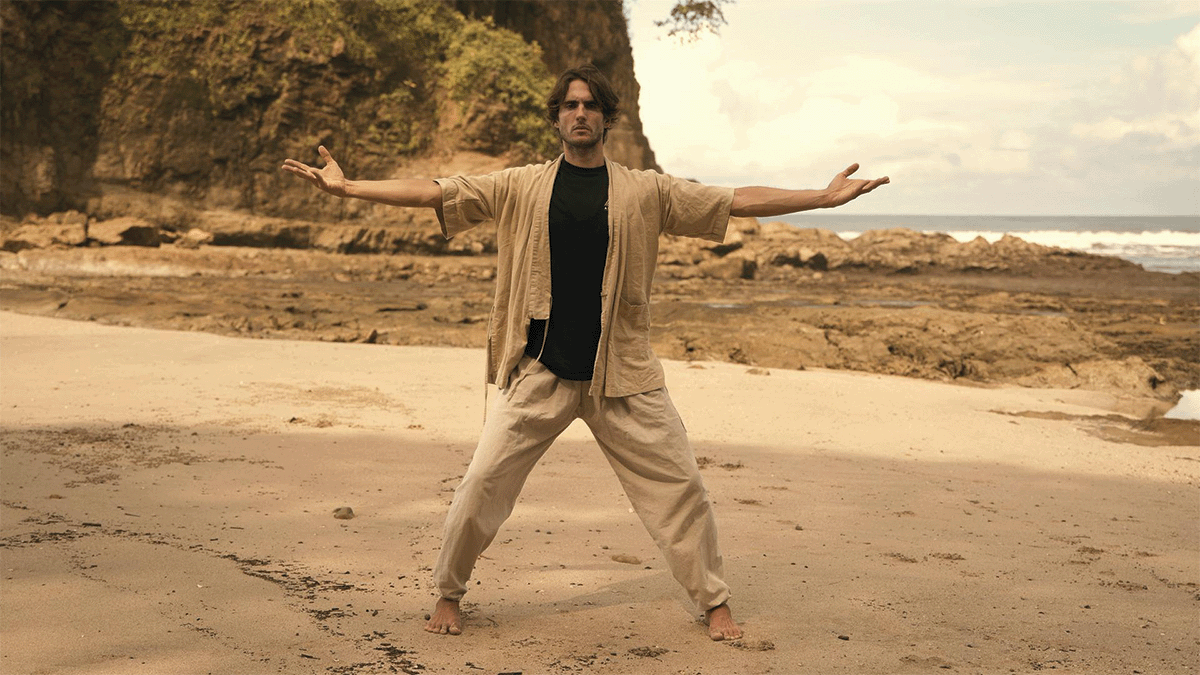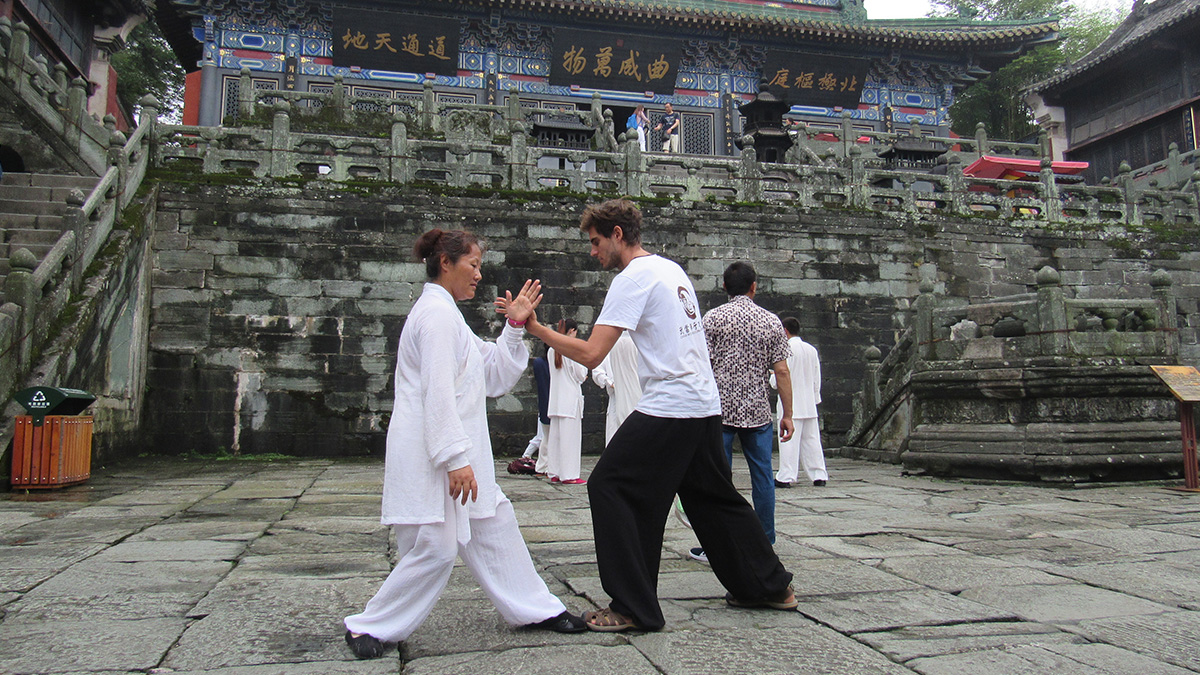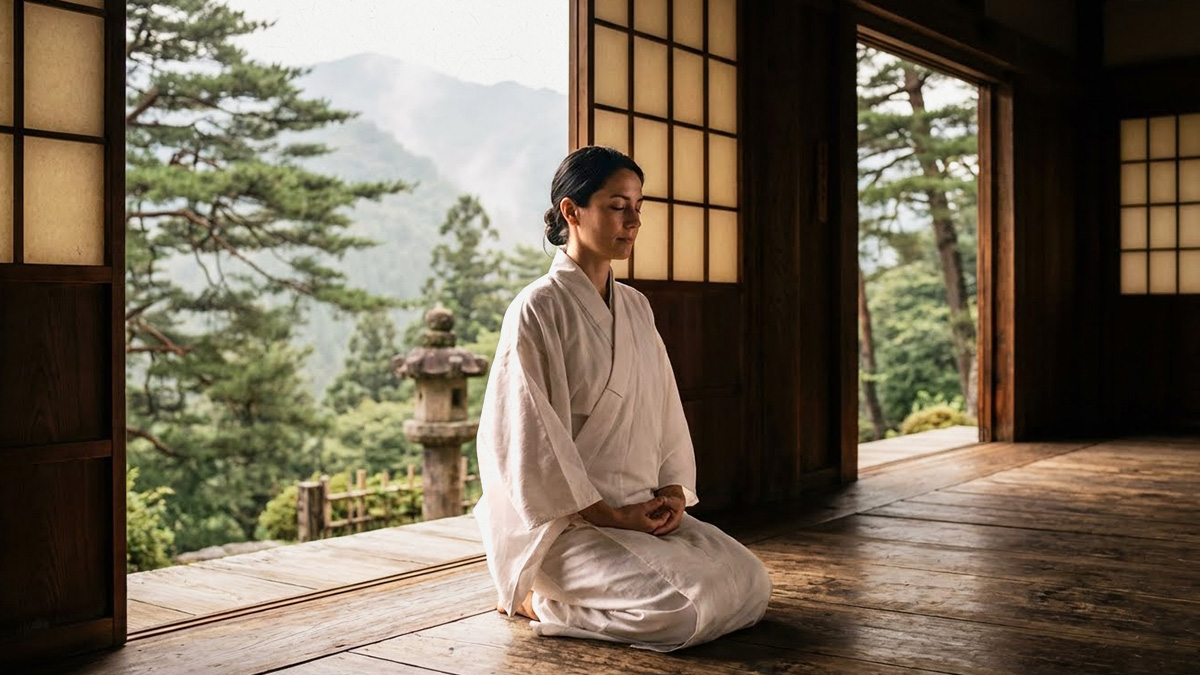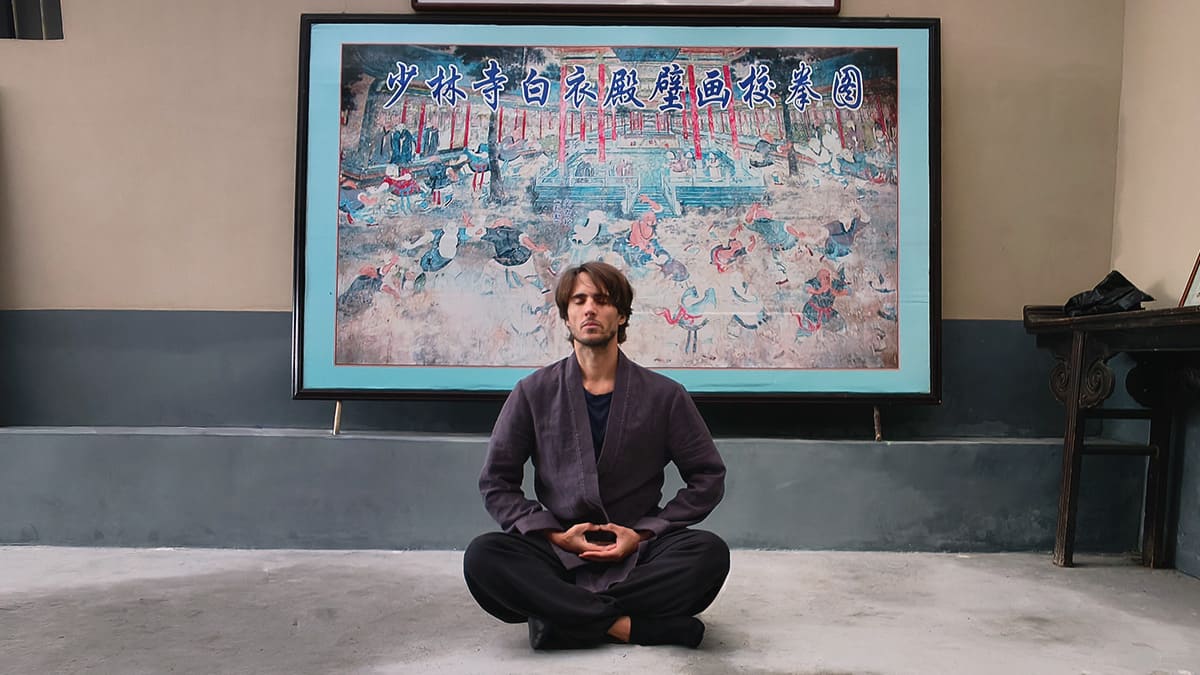
Zen and Taoism converge on the same terrain: stillness and the dissolution of the grasping self. Practitioners of both traditions sit, breathe, and learn to stop forcing. From the outside, the practices look nearly identical.
The philosophies behind them begin in different places entirely.
Neidan (Internal Alchemy): the Taoist Art of Transforming Essence into Spirit
Neidan, or Taoist internal alchemy, teaches how to cultivate and transform your inner energy through the refinement of Jing, Qi, and Shen. A practice of grounding, clarity, and deep inner change.
Neigong (Internal Work): the Taoist Art of Inner Cultivation in Qigong
Neigong is not a technique, but a quiet path into the center of being. Within the body as a temple, we cultivate the invisible: essence, energy, and consciousness.
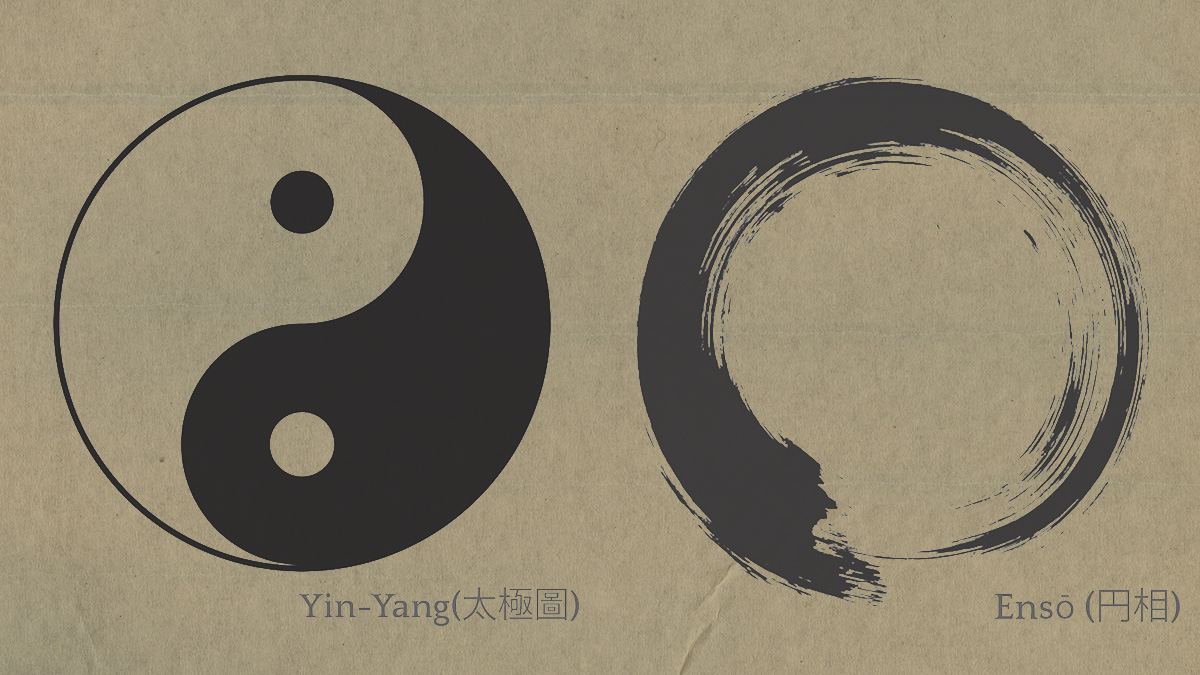
Yin-Yang and Ensō: Symbols of Taoism and Zen
Circles are among humanity’s oldest symbols. They suggest wholeness, unity, and the infinite. In Eastern philosophy, two circles stand out: the Yin-Yang of Taoism and the Ensō of Zen Buddhism.
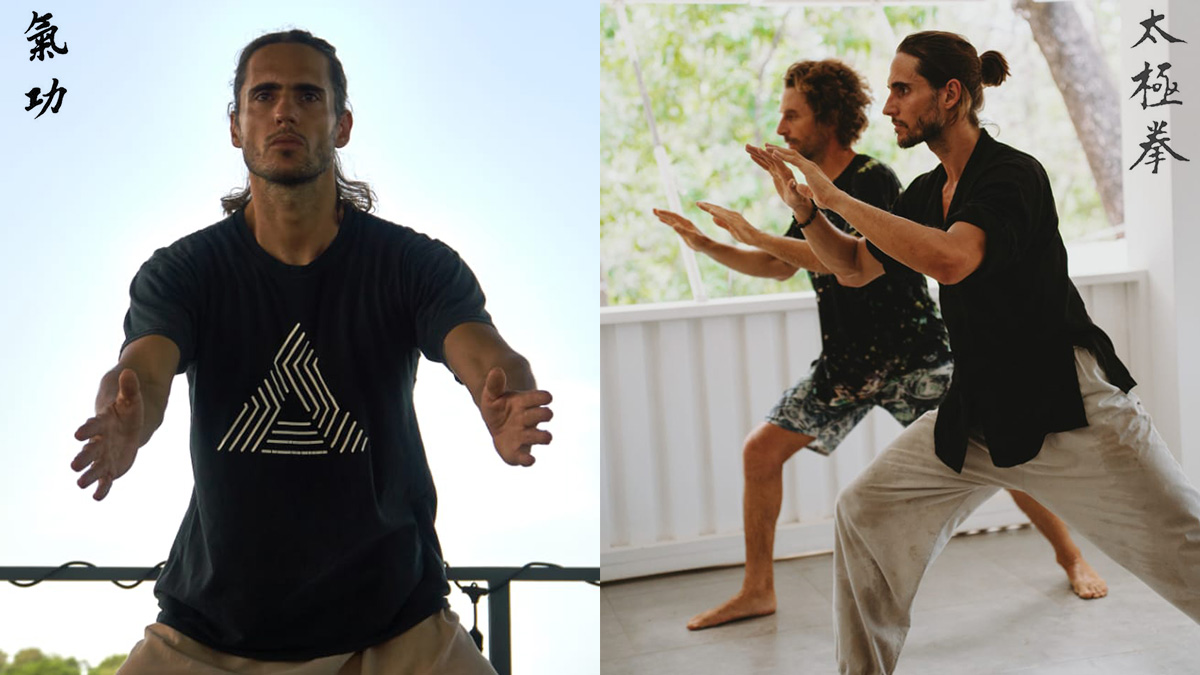
What Is the Difference Between Tai Chi and Qigong
Tai Chi (Taijiquan) and Qigong are two ancient Chinese practices often seen side by side in parks, retreats, and wellness programs. Both feature slow, mindful movements, deep breathing, and a meditative quality that makes them accessible to people of all ages. Yet, they are not the same.