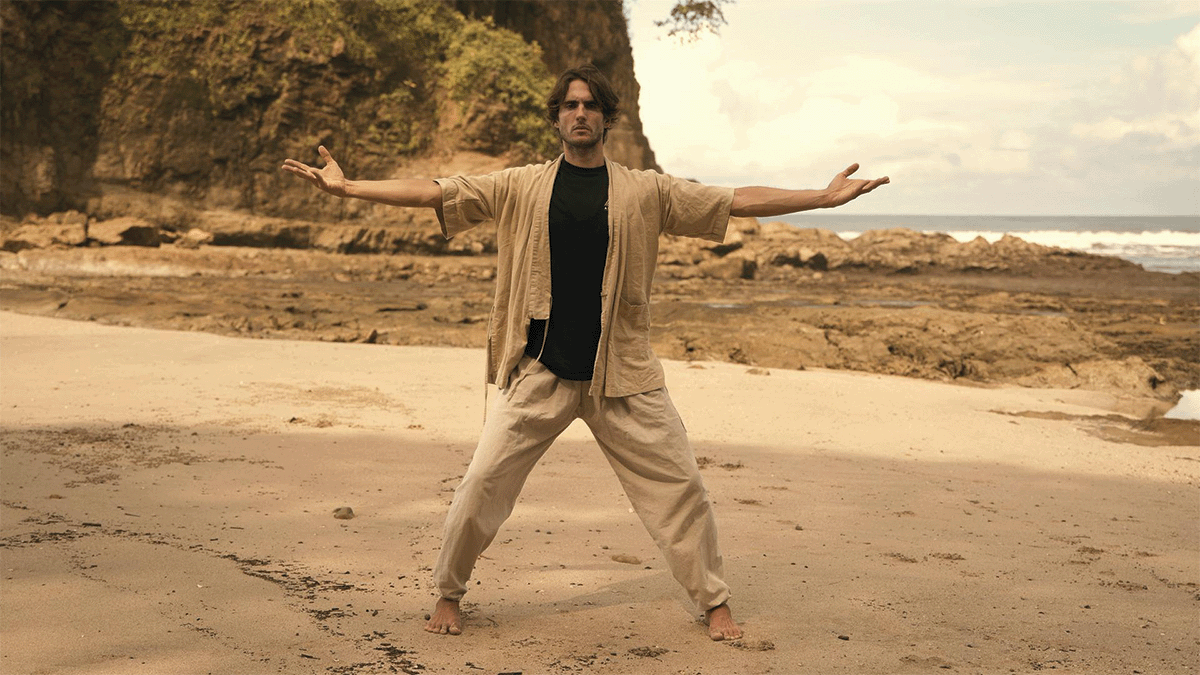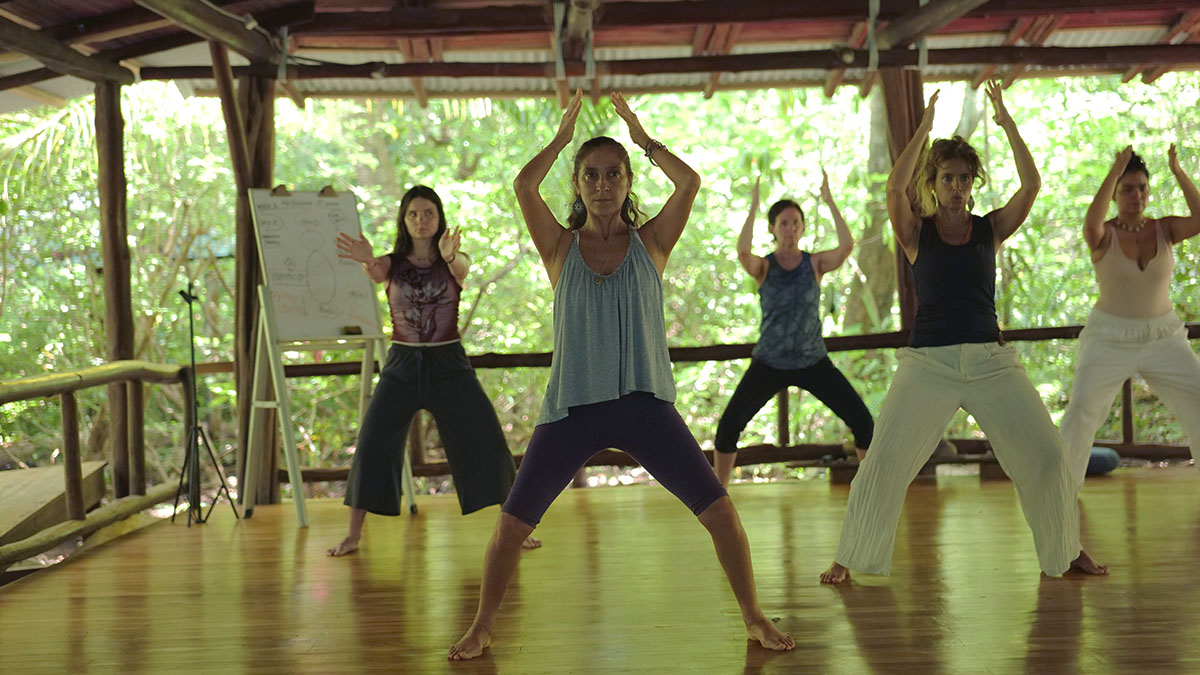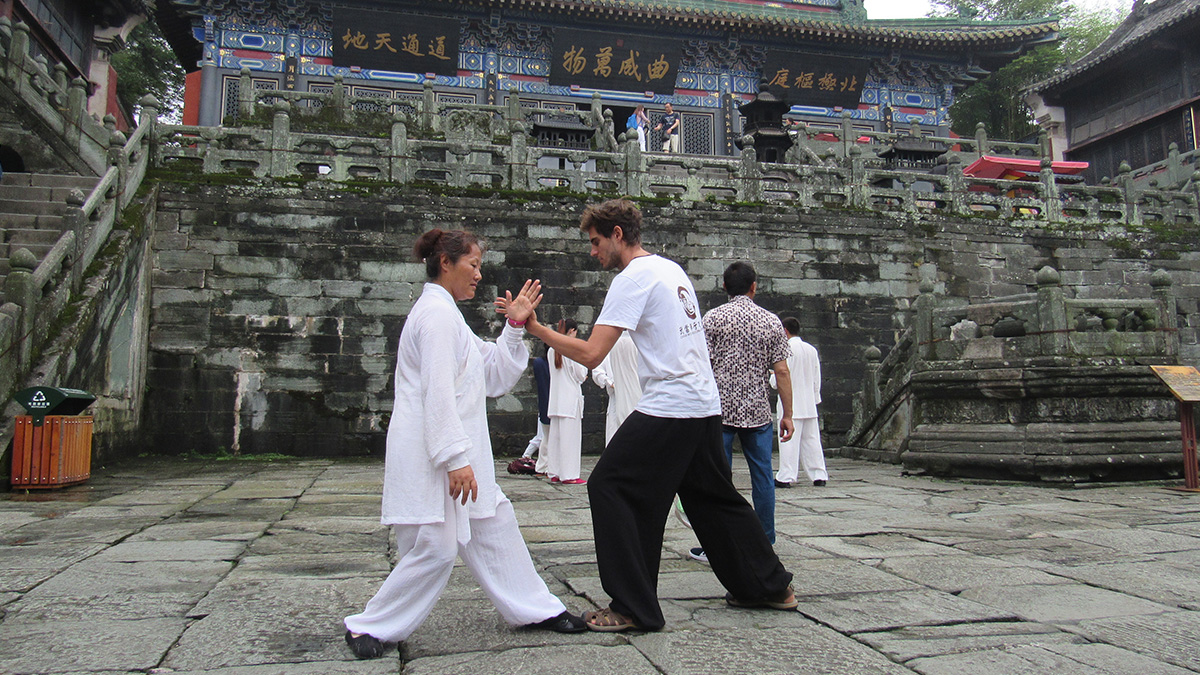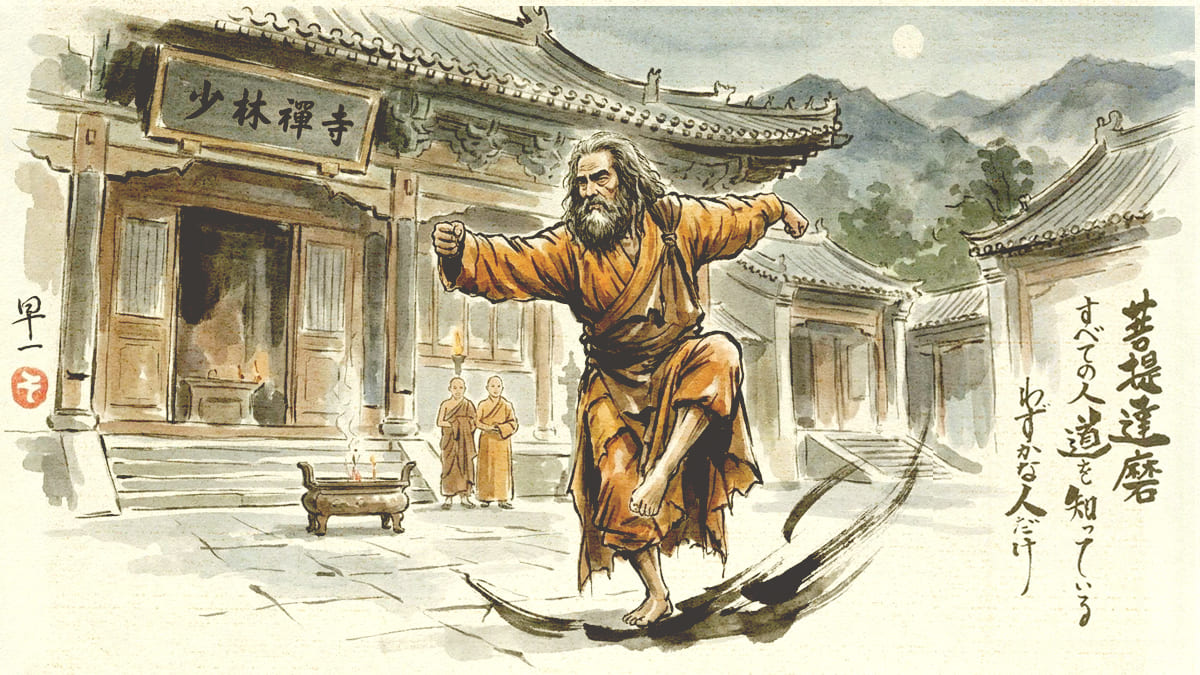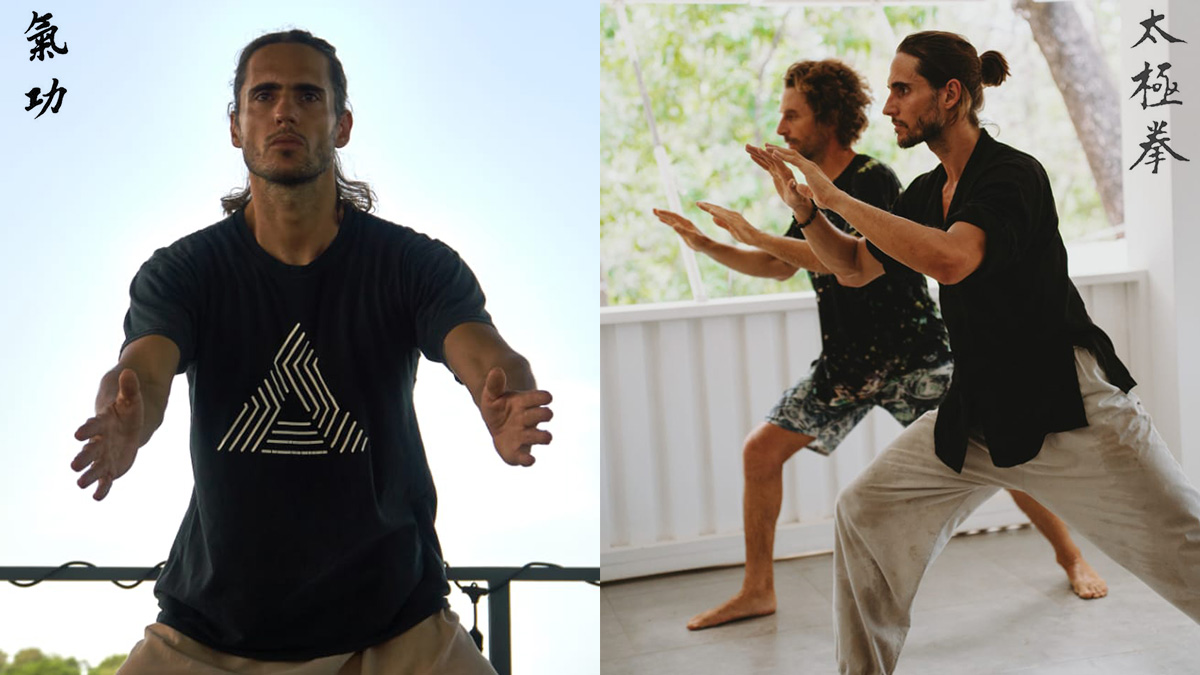
The Shaolin Temple is and will always be a great university where health, spiritual development, and the cultivation of traditional martial arts have been expressed for centuries. To speak of Shaolin Qigong is to enter a vast and inexhaustible territory. Despite the existence of a specific cloister of knowledge, instruments, and exercises, each school, each master, and ultimately every advanced practitioner has made a singular use of them—adapting and wearing the suit of the form to recreate a different expression.
Zen and Taoism Both Point at Silence From Opposite Directions
Zen and Taoism converge on the same terrain: stillness and the dissolution of the grasping self. Practitioners of both traditions sit, breathe, and learn to stop forcing. From the outside, the practices look nearly identical.
The philosophies behind them begin in different places entirely.
Bodhidharma and Zen: Why the Origin Story Is Mostly a Western Invention
Zen Buddhism did not arrive fully formed from a single source. It grew over centuries, in multiple places, through teachers who never agreed on a single lineage. Western scholars wrote the origin story most people know — long after Zen already existed.
The Root and the Branch: Zen Buddhism for Taoism and Qigong Practitioners
Zen Buddhism grew from the same philosophical soil as Taoism — and then grew in a different direction. For practitioners already familiar with the Dao, Wu Wei, and the cultivation of Qi, Zen offers a recognizable landscape with unfamiliar terrain. This guide explains what Zen is, where it came from, how it connects to Taoist practice, and what it asks of the practitioner who approaches it for the first time.
What Is the Difference Between Tai Chi and Qigong
Tai Chi (Taijiquan) and Qigong are two ancient Chinese practices often seen side by side in parks, retreats, and wellness programs. Both feature slow, mindful movements, deep breathing, and a meditative quality that makes them accessible to people of all ages. Yet, they are not the same.