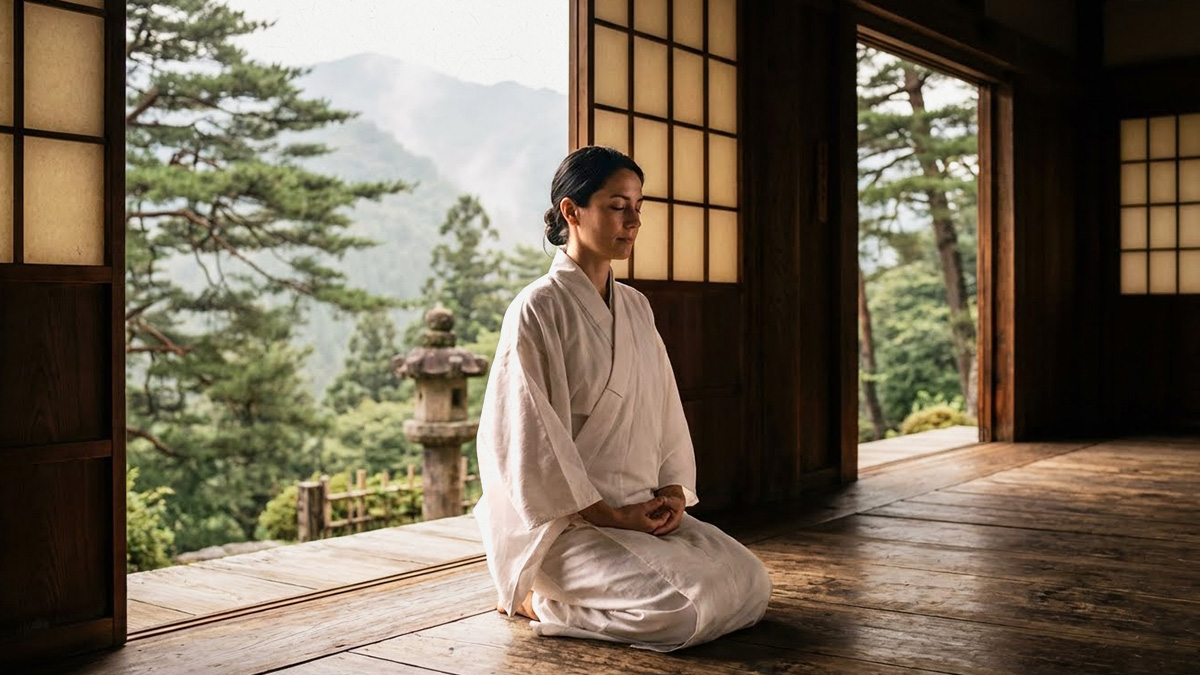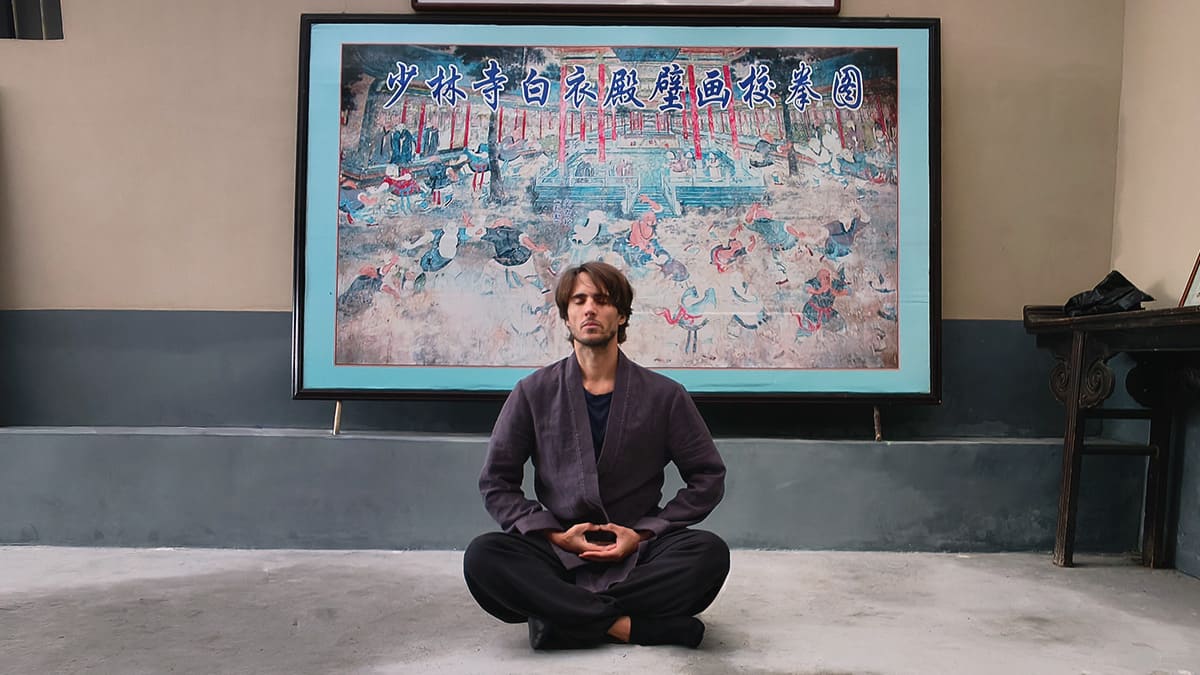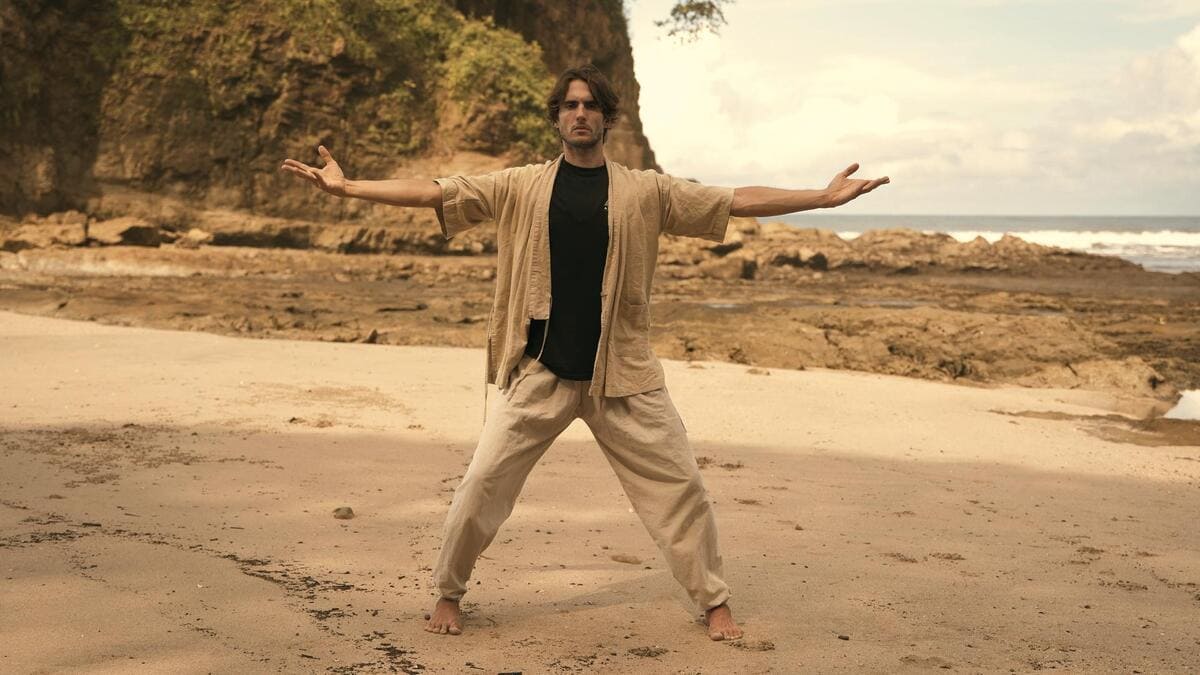
The Yi Jin Jing (易筋經), the Muscle and Tendon Changing Classic, is one of the sacred foundational texts of the Chinese internal arts — and one of the most misunderstood. It is not a stretching routine, not a set of strengthening exercises, and not a fitness system. It is a principle: the systematic process by which Qi initiates a structural transformation of the muscles, tendons, and fascial network from within. This article covers its origins at the Shaolin Temple, the core principle behind its practice, the 12 postures, and how the Aknanda Method applies it from the very first movement.
Neidan (Internal Alchemy): the Taoist Art of Transforming Essence into Spirit
Neidan, or Taoist internal alchemy, teaches how to cultivate and transform your inner energy through the refinement of Jing, Qi, and Shen. A practice of grounding, clarity, and deep inner change.
Neigong (Internal Work): the Taoist Art of Inner Cultivation in Qigong
Neigong is not a technique, but a quiet path into the center of being. Within the body as a temple, we cultivate the invisible: essence, energy, and consciousness.
Wu Wei in Taoism: The Art of Effortless Action for Mind, Body, and Energy
Wu Wei, often misunderstood as “doing nothing,” is a central concept in Taoism. It means effortless action in harmony with the Dao. This guide explains its meaning, its roots in classic texts, and how it connects to Qigong and daily life.
Dao in Taoism Source of Life and Way of Harmony
The Dao is both the origin of life and the path to harmony. This article explains the Dao in simple terms for beginners, while also offering depth for advanced practitioners. Learn how the Dao connects to Qigong, yin-yang, the Five Elements, and practices like wu wei and internal alchemy.