Three Treasures

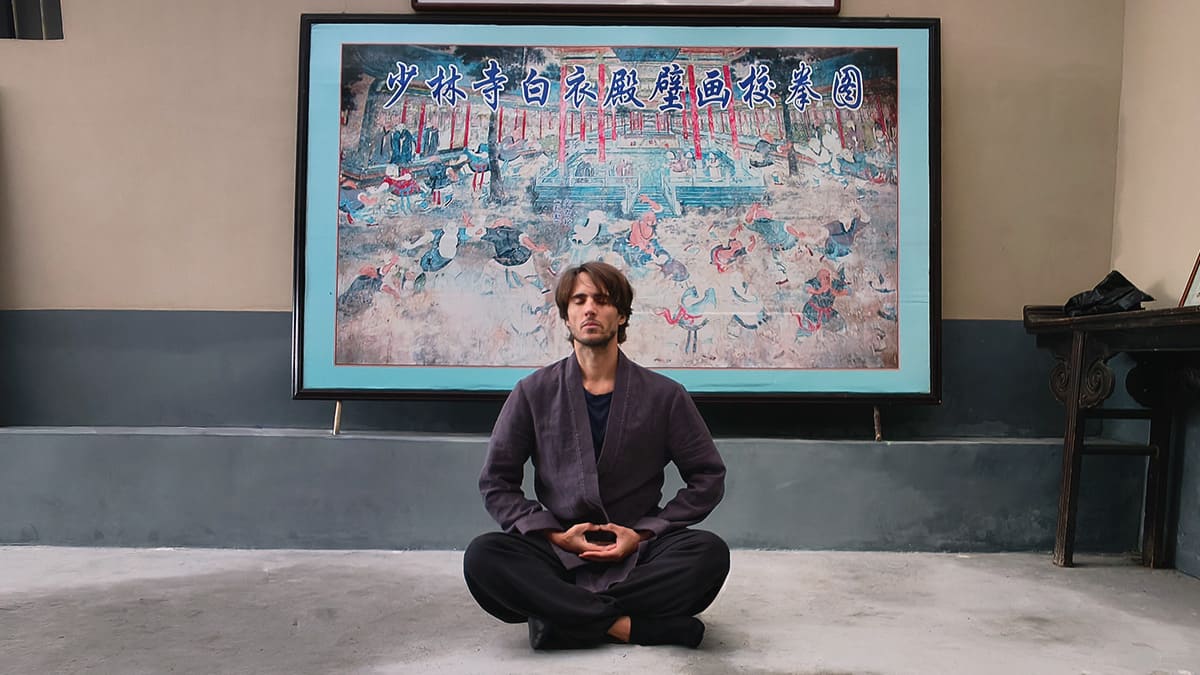
Bharu practicing zazen at a Zen temple in Dalat, Vietnam — Aknanda Qigong guide to Zen Buddhism

The Root and the Branch: Zen Buddhism for Taoism and Qigong Practitioners

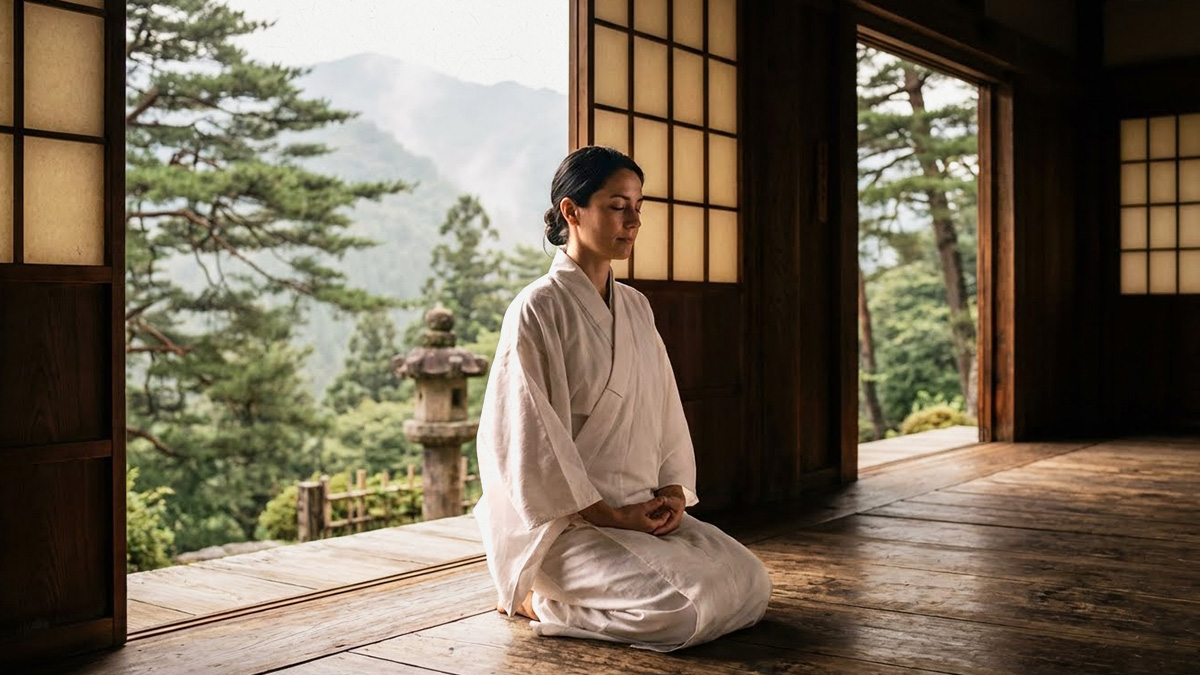
Zen Buddhism grew from the same philosophical soil as Taoism — and then grew in a different direction. For practitioners already familiar with the Dao, Wu Wei, and the cultivation of Qi, Zen offers a recognizable landscape with unfamiliar terrain. This guide explains what Zen is, where it came from, how it connects to Taoist practice, and what it asks of the practitioner who approaches it for the first time.

What Are the Three Treasures?

Three Treasures of Taoism: Jing, Qi, and Shen in Qigong

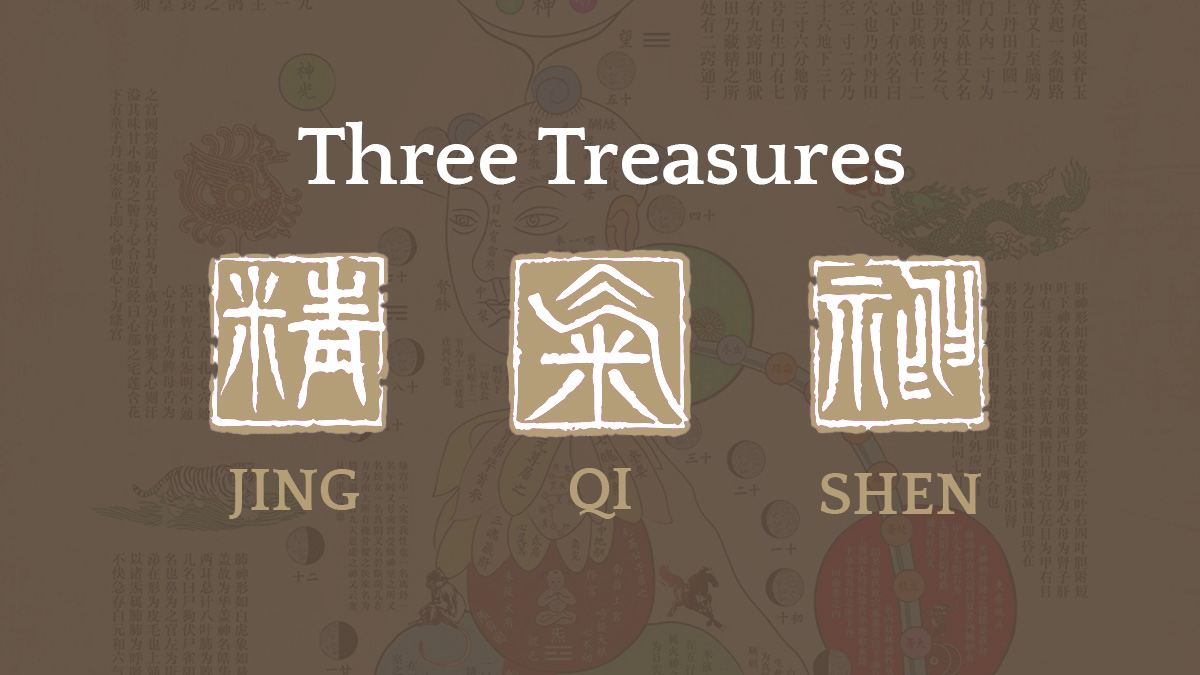
The Three Treasures—Jing (精), Qi (氣), and Shen (神)—are the essence, energy, and spirit of human life in Taoism. They appear in classical texts and remain central to Qigong practice today, guiding the cultivation of health, balance, and spiritual growth. In Taoist philosophy, the expression “Three Treasures” can carry different meanings, and understanding this distinction helps clarify both internal cultivation and classical teachings.

What is the Tao in Taoism?

Dao in Taoism Source of Life and Way of Harmony

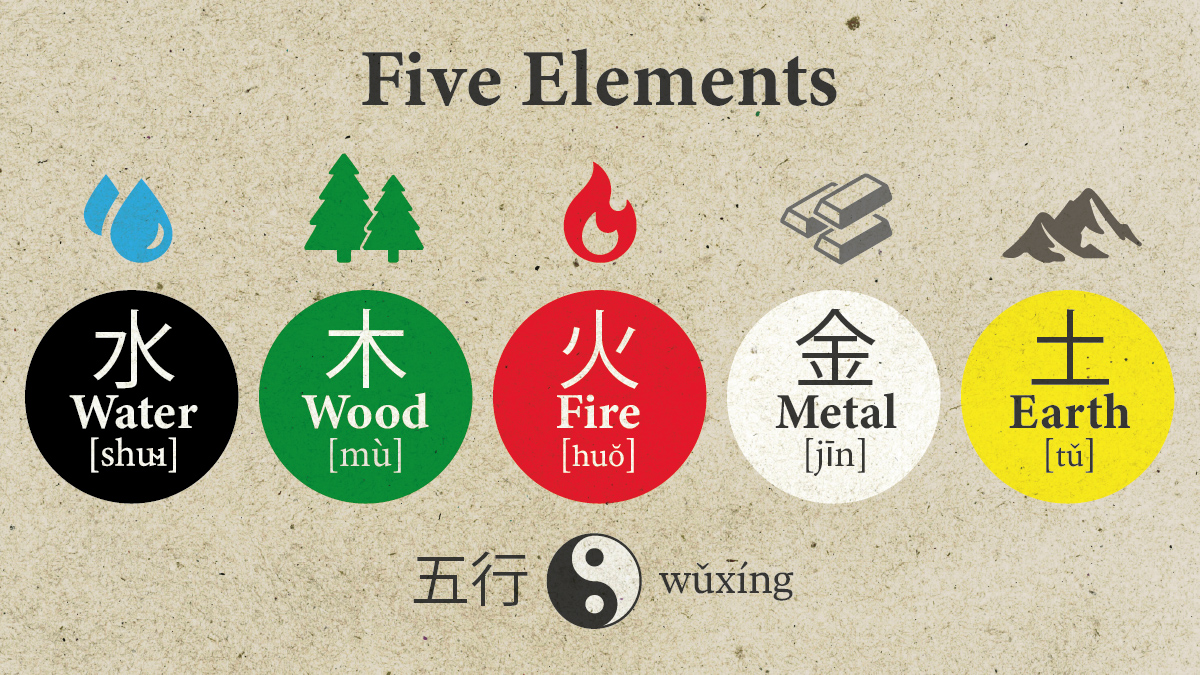
The Dao is both the origin of life and the path to harmony. This article explains the Dao in simple terms for beginners, while also offering depth for advanced practitioners. Learn how the Dao connects to Qigong, yin-yang, the Five Elements, and practices like wu wei and internal alchemy.

WhatsApp Do you have questions? Contact us!