You sleep eight hours and wake up drained. This guide explains why chronic anxiety depletes Jing — the body’s deepest reserve — why ordinary rest can’t refill it, and what actually rebuilds it: deep breathing, standing practice and, above all, time. Includes how long it usually takes to feel a shift.

Women's Health
“I Feel Anxious for No Reason”: What Chinese Medicine Understands That Western Psychology Is Still Figuring Out
There’s no trigger, no meeting you’re dreading, nothing urgent happening, yet the feeling stays. This guide explains what Chinese medicine calls Qi stagnation, why searching for a cause keeps the loop going, and how Qigong works on the body instead of the narrative — and why the absence of a reason doesn’t mean the absence of a cause.
Why Anxiety Symptoms Feel Different in Women (and Why Most Advice Misses This)
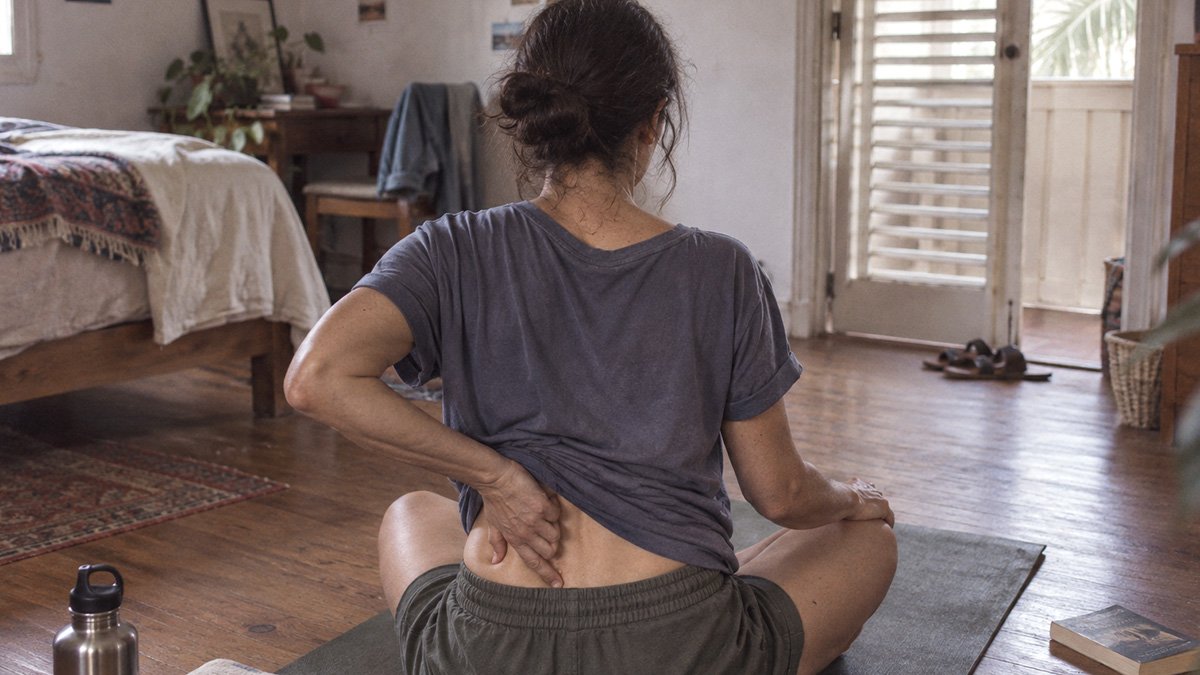
Women are diagnosed with anxiety nearly twice as often as men, yet the physical signs — jaw clenching, lower back pain, 3am waking — are the ones most checklists miss. This guide maps those symptoms to the Liver, Kidneys and Heart in Chinese medicine, explains why clinical frameworks overlook them, and shows how Qigong works at the organ level underneath.
You’re exhausted, successful, and still anxious at 3am. There’s a name for that
You respond to every email. Your family finds you present. You exercise, eat reasonably well, and by most external measures, you are doing just fine. Your shoulders bear the weight differently than they did five years ago, but nothing appears fractured.